Is a Dog the Friend of a Muslim? Quran, Fiqh, Naaladiyar & The Stray Dog Reality
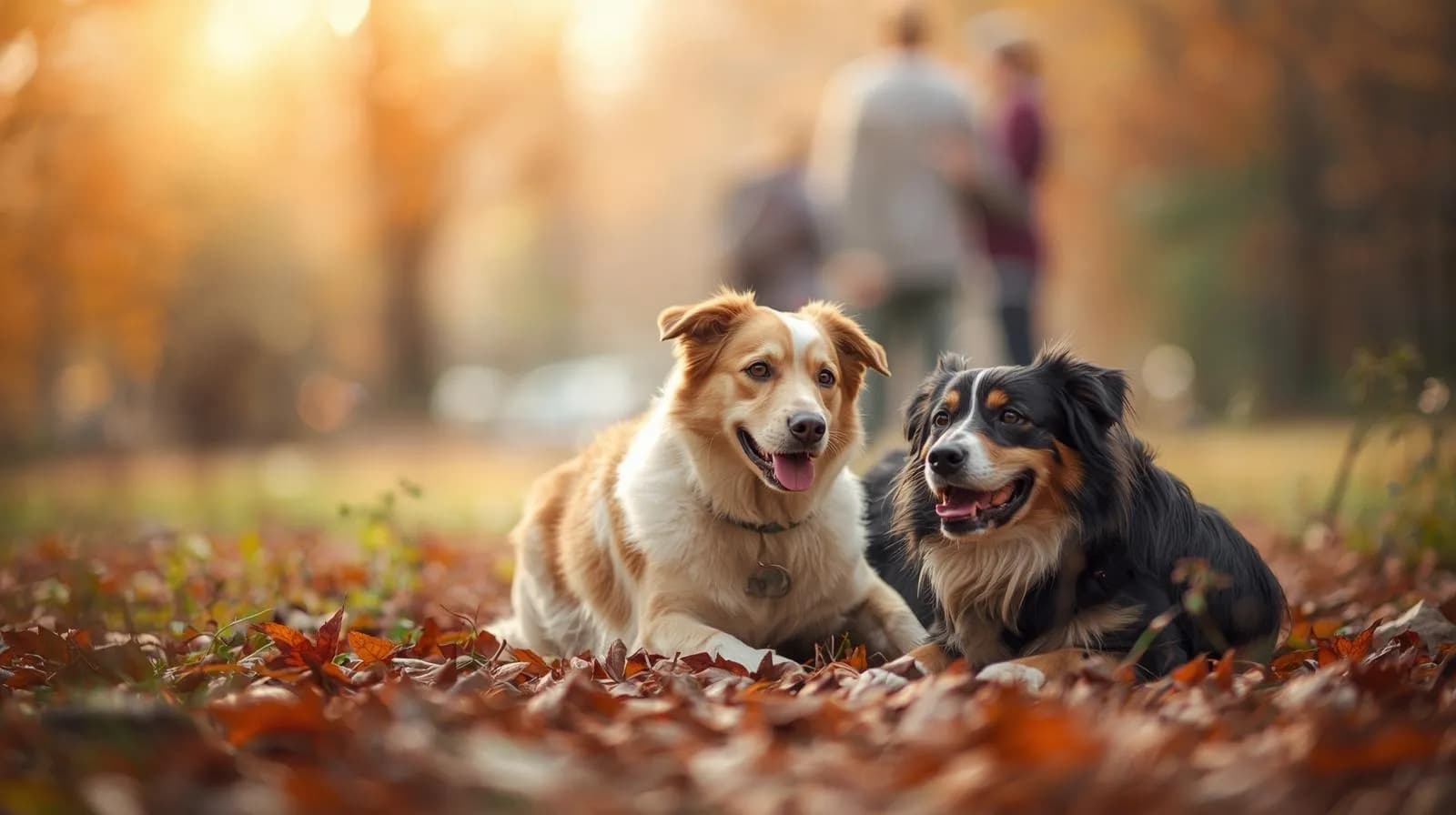
Is Dog Friend of People? Especially Muslims
Quran, Fiqh, Naaladiyar & Stray Dog Reality
The short answer: yes, dogs can be “friends” of Muslims – but not in the same way as typical Western-style house pets. In Islam, dogs are respected as living creatures of Allah, allowed for clear functional roles like guarding, herding, and hunting, and must be treated with compassion. At the same time, classical fiqh sets limits on keeping dogs inside the home as pets, mainly due to purity (najasa) rules and spiritual focus.
Tamil classical literature like நாலடியார் (Naaladiyar) even praises the loyalty of a dog as a metaphor for true friendship, while modern India struggles with a serious stray dog crisis involving millions of dog-bite cases and rising rabies risk.
This blog brings together:
- Quranic perspective on dogs
- Fiqh-based limits on petting dogs indoors
- Dog types and evolution from wolves
- Naaladiyar 213 on true friends being “like a dog”
- Stray dog dangers & ethics
- Balanced guidance: love animals, but don’t create street-level chaos
1. What Does Quran Tell About Dogs?
1.1 Dogs in the Quran: Positive Functional Roles
The Quran never says “dogs are haram”. It actually mentions dogs in functional, positive contexts.
a) Hunting Dogs – Surah Al-Ma’idah (5:4)
يَسْأَلُونَكَ مَاذَا أُحِلَّ لَهُمْ ۖ قُلْ أُحِلَّ لَكُمُ الطَّيِّبَاتُ ۖ وَمَا عَلَّمْتُم مِّنَ الْجَوَارِحِ مُكَلِّبِينَ تُعَلِّمُونَهُنَّ مِمَّا عَلَّمَكُمُ اللَّهُ فَكُلُوا مِمَّا أَمْسَكْنَ عَلَيْكُمْ وَاذْكُرُوا اسْمَ اللَّهِ عَلَيْهِ
“They ask you what is lawful for them. Say, ‘Lawful for you are all good things and what the hunting animals catch for you – trained dogs as you have trained them as Allah has taught you. So eat of what they catch for you and mention the name of Allah upon it.’”
This verse explicitly allows trained dogs for hunting. The dog’s work is recognized as valid, and the prey it catches is halal when Allah’s name is taken.
b) The Dog of the People of the Cave – Surah Al-Kahf (18:18)
وَكَلْبُهُمْ بَاسِطٌ ذِرَاعَيْهِ بِالْوَصِيدِ
“Their dog stretched its forelegs at the entrance [of the cave]…”
The dog here protects righteous youths fleeing persecution. Classical scholars note this as a tender, dignified description of a dog guarding believers. This shows:
- Dogs can be companions of righteous people
- Guarding is a noble role
1.2 So What’s the Problem with Pet Dogs?
The Quran itself does not forbid dog ownership or declare dogs impure. The stricter rulings come from hadith and fiqh opinions, where scholars:
- Allowed dogs for hunting, guarding, herding, farming
- Discouraged or prohibited keeping dogs purely as pets indoors, due to:
- Najasa (impurity of dog saliva in many madhhabs)
- Angels not entering homes with dogs (per hadith)
- Possible health/cleanliness issues in close living
Many major fuqaha (especially Shafi’i, Hanbali) treat dog saliva as mughallazah (severely impure), requiring special washing of vessels licked by a dog. Keeping dogs outdoors in a yard or in a designated guarded area has been the classical compromise.
Important balance:
- Islam ≠ dog-hatred. The Quran praises a dog’s loyalty in Al-Kahf.
- But Islam also wants spiritually clean, physically hygienic homes – hence limits on indoor petting and excessive emotional attachment at the cost of religious duties.
2. Types of Dogs – How Humans Classified Them
Modern dog breeds fall into rough working categories. This is human kennel-club classification, not Islamic fiqh categories, but it helps understand roles:
-
Gun Dog Group
- Bred to assist hunters in finding and retrieving game (e.g., Retrievers, Spaniels)
- Islamic relevance: can fall under hunting dogs permitted by 5:4.
-
Hound Group
- Sight hounds and scent hounds used to chase prey (e.g., Greyhounds, Beagles)
- Historically used similarly to hunting dogs.
-
Pastoral Group
- Herding and livestock management (e.g., Border Collie, German Shepherd)
- In fiqh, dogs for herding and protecting animals are generally allowed.
-
Terrier Group
- Bred to hunt small vermin (rats, foxes)
- Functional usage in farms and rodent control.
-
Toy Group
- Miniature breeds kept mainly for companionship (e.g., Pomeranian, Chihuahua)
- These overlap with pure “pet” use, where many classical scholars expressed concern if kept inside home with no other purpose.
-
Utility Group
- Miscellaneous working roles: watchdogs, sled dogs, etc.
- Functions like guarding property, which jurists often allow by analogy with hunting/herding.
-
Working Group
- Guard dogs, rescue dogs, police & military dogs (e.g., Rottweiler, Doberman)
- Fiqh can see them as guard dogs – permissible with proper boundaries.
From Islamic ethics: function and necessity matter. A dog that:
- Guards your farm or house
- Helps in rescue or law enforcement
- Protects livestock or property
…is very different from a dog purely for “cute indoor entertainment”.
3. Why Avoid Petting Dogs Inside the Home?
3.1 Purity and Prayer Space
Many scholars hold:
- Dog saliva is impure (najis), particularly Shafi’i/Hanbali schools
- Vessels licked by a dog require washing seven times, one time with earth/soil (per hadith)
- If dog slobber spreads on clothes, carpets, prayer mats, it complicates Taharah (ritual cleanliness) for Salah
Hence:
- Indoor pet dogs roaming freely, licking furniture, beds, and people pose constant purity challenges
- This is especially problematic in small Indian/Tamil homes with limited space and shared prayer areas
3.2 Spiritual Atmosphere
Hadiths (not quoting here since you asked to center Quran) mention:
- Angels of mercy not entering homes where:
- Dogs are kept
- Or images/statues are displayed
Classical ulama took this seriously:
- Keep dogs for necessity, but minimize their presence in inner living/prayer areas
- Avoid emotional overattachment distracting from dhikr, salah, Quran recitation
3.3 Health and Hygiene
Modern medicine notes:
- Dogs can carry parasites, bacteria, and viruses
- Close sleeping/contact (especially saliva contact) with babies and immunocompromised people has risk
- Indoor shedding, dander, allergens can worsen asthma or skin issues
Islamic law’s precaution around dogs can be seen as:
- Spiritual safeguard
- Public health safeguard, especially in regions without strict vet control
So:
- Guard dog in yard? Often okay.
- Indoor pet dog on bed/couch? Juristically problematic in most classical opinions.
4. How Dogs Evolved from Wolves
Modern biology shows:
- Dogs (Canis lupus familiaris) descended from grey wolves (Canis lupus)
- Domestication likely happened 15,000–30,000 years ago, when wolves:
- Started scavenging near human campsites
- Less aggressive wolves survived better around humans
- Over generations, humans selectively bred wolves for:
- Tameness
- Specific useful traits (herding, guarding, hunting, companionship)
- Today, all dog breeds, from Great Danes to Chihuahuas, share ancestry with wolves
From an Islamic point of view:
- Both wolves and dogs are creations of Allah, evolving within His ordained natural laws
- Human responsibility: use this domestication ethically – no cruelty, but also no chaos
5. நாலடியார் 213 – நாய் போன்றவரே நட்பிற் சிறந்தவர்
Tamil ethical literature provides a beautiful analogy that honors the dog’s loyalty as a model for human friendship.
5.1 Original Verse – நாலடியார் 213
Source: Naaladiyar, Porutpaal, 22. நட்பாராய்தல், Verse 213.
யானை யானையவர் நண்பொரீஇ நாயனையார்
கேண்மை கெழீஇக் கொளல்வேண்டும் — யானை
அறிந்தறிந்தும் பாகனையே கொல்லும் எறிந்தவேல்
மெய்யதா வால்குழைக்கும் நாய்.
5.2 Translation (Meaning)
“Avoid friendship with those who resemble the elephant;
Seek and hold fast the friendship of those like the dog.
For the elephant, though long familiar with its keeper, may kill him;
But the dog, though a spear is stuck in its body by its angrily master, will still wag its tail in affection.”
Core message:
- There are people like elephants: powerful, dignified outwardly, but unreliable and dangerous even to their own benefactors.
- There are people like dogs: physically small, socially low-status, yet faithfully loyal even when hurt.
Hence the famous commentary line:
நாய் போன்றவரே நட்பிற் சிறந்தவர்.
“Those who are like the dog are the best in friendship.”
5.3 Ethical Takeaway
For this blog’s theme:
- Tamil literature does NOT hate dogs – it praises their loyalty.
- It warns: avoid proud, elephant-like friends who betray you despite benefits.
- Instead, value dog-like friends who:
- Remember favors
- Stay loyal during your weakest, poorest, or most shameful moments
So, even if fiqh places limits on indoor petting, cultural ethics honor the dog’s moral metaphor.
6. Limits to Maintain With Dogs
Balanced Muslim approach:
- Recognize dogs as Allah’s creatures – no cruelty, no torture, no running them over, no poisoning.
- Keep functional dogs (guard, herd, hunt) outside living/prayer areas, with proper shelter, food, and water.
- Avoid letting dogs lick utensils, prayer mats, or clothes used for Salah.
- Avoid extreme pet culture: kissing mouths, sleeping in same bed, dressing them like humans, etc.—this clashes with both purity and dignity.
- Teach children:
- Dogs are not “shaytan” – they are animals with rights
- But some dogs (especially unvaccinated street dogs) are dangerous if approached wrongly.
7. Recommended Way for Keeping Dogs at Home
If you must keep a dog (for security, herd, etc.):
-
Purpose First
- Guard dog for a farmhouse, yard, shop, or warehouse
- Herding dog for livestock
- Security dog in high-risk areas
-
Space Design
- Dog stays in compound/yard/outside, not roaming kitchen/bedrooms
- Clear demarcation between dog area and Salah/living areas
-
Hygiene
- Regular vet visits & vaccinations
- Waste managed properly
- Hands washed after handling, especially before Salah and food
-
Compassion
- No chaining in the sun without shade
- Regular food & clean water
- No beating out of anger
This aligns with both Islamic animal welfare and public health.
8. Kids and Dogs: Safety vs Emotional Bond
8.1 Raised-at-Home Dogs
Dogs properly raised and trained at home can:
- Offer emotional support to kids
- Teach responsibility and empathy
- Sometimes protect children from intruders or snakes
But:
- Children must be taught boundaries
- Never leave very small kids alone with large dogs unsupervised
- Ensure the dog is vaccinated and temperament-tested
8.2 Street Dogs and Children
Street dogs are not pets:
- No known vaccination history
- Unpredictable behavior, pack mentality
- Higher risk of rabies, a nearly 100% fatal disease once symptoms appear
India recorded:
- Around 21.95 lakh dog-bite cases in 2024, with ~48 related deaths
- Other sources say ~3.7 million dog bites and dozens of rabies deaths.
Often:
- Children <15 years form 20% or more of victims.
So:
- Never let kids play freely with street dogs.
- Teach them:
- Don’t run near packs
- Don’t throw stones or tease
- Report bites immediately → hospital & anti-rabies shots
9. What Are Stray Dogs? Why Are They a Problem?
Stray dogs = dogs with no identifiable owner, free-roaming public spaces:
- Often unneutered
- Form territorial packs
- Compete for food (garbage, hand-feeding)
- Can become aggressive, especially:
- Near garbage sites
- Around females in heat
- When protecting territory
India faces:
- Stray dog “epidemic” with millions of bites each year
- Over 75% of bites linked to stray dogs
- Major risk for rabies, particularly in children
Strays also:
- Chase bikes and cycles
- Attack elderly or disabled people
- Disrupt local wildlife and ground-nesting birds
10. How to Reduce Dangers From Stray Dogs
Islamic principle: no cruelty, but also no chaos.
Balanced strategies (many already in Indian policy):
- ABC (Animal Birth Control)
- Systematic sterilization to reduce population growth
- Mass Rabies Vaccination
- Lower human risk
- Waste Management
- Strays feed heavily on open garbage; cleaning up reduces packs
- Discourage Unstructured Street Feeding
- Random feeding in lanes increases pack strength and territorial aggression
- Promote Responsible Adoption
- Those who truly love dogs should adopt, vaccinate, and house them responsibly—not feed dozens on the street
From a fiqh perspective:
- Protect human life (Hifz an-Nafs) is maqasid (higher objective)
- Protect animals from cruelty is also mandatory
So: - Sterilization + vaccination + controlled shelters = best middle path
11. Stray Dogs Also Eat Rodents – But At What Cost?
Yes, stray dogs:
- Eat rats and leftover food
- Sometimes reduce visible rodent numbers
But:
- They introduce new risk layers:
- Dog bites
- Rabies & other zoonotic diseases
- Attacks on vulnerable humans
- They can also kill goats, poultry, or smaller pets
Rodent control is important, but:
- It is better to use proper municipal rodent management than free-roaming aggressive dog packs.
12. Love Dogs – But Don’t Feed the Street Chaos
Your key line is sharp and correct:
“Love Dogs but not the one on Street.
If a person wants to show love towards dogs, we must adopt them and not keep them on the street and feed them.”
This can be softened slightly while keeping the logic:
- Islam and Tamil literature permit loving dogs and valuing their loyalty.
- But street feeding without responsibility:
- Increases population
- Increases attacks
- Puts kids and elders at risk
- Real love means:
- Adopt, vaccinate, sterilize, house responsibly
- Don’t turn public spaces into unmanaged dog colonies
So:
- Love the animal, hate the chaos.
- Be merciful AND responsible—this is true Ihsan.
13. FAQs
Q1: Are dogs haram in Islam?
No. The Quran never says dogs are haram. Dogs are allowed for:
- Hunting
- Guarding property
- Herding livestock
- Other justified needs
The issue is:
- Purity (najasa) of saliva
- Indoor pet culture conflicting with cleanliness and angels entering the home (per hadith)
Q2: Can I keep a dog inside my flat as a pet?
Classically, most scholars discourage or forbid keeping dogs inside living areas purely as pets. If you follow that view:
- Keep dogs for valid reasons
- Prefer outdoor/compound areas, not bedrooms/lounges
- Maintain hygiene & spiritual focus
Some modern opinions are more flexible, but you should consult a trustworthy local scholar in your madhhab.
Q3: What if I already have an indoor pet dog?
- Start by:
- Improving hygiene
- Restricting certain areas (e.g., prayer room)
- Washing hands & clothes regularly
- Gradually:
- Consider shifting the dog to balcony/yard if possible
- Speak to a scholar for a phased, compassionate plan
No cruelty is allowed: you cannot abandon or harm the dog; you must manage the situation ethically.
Q4: Is it okay to pet friendly dogs on the street?
- If you don’t know vaccination status, avoid close contact:
- No face licking
- No letting them bite or scratch
- In India, due to rabies risk, it’s safer not to pet stray dogs, especially for children.
Q5: My child loves dogs. What should I do?
- Teach:
- Dogs are Allah’s creatures
- Some are safe (vaccinated, known family dogs)
- Some are dangerous (street packs)
- You may:
- Visit friend’s properly raised dogs
- Consider adopting a dog outside the house (farm, yard) with full vaccination, if your fiqh position permits
- Always supervise interactions.
Q6: Is poisoning or beating strays allowed?
No. Islam forbids cruelty to animals. Solutions should be:
- Legal
- Planned: sterilization, vaccination, shelters
- Non-torturous
Q7: How can I help reduce stray dog problems ethically?
- Support ABC & vaccination programs
- Report bites and aggressive packs to authorities
- Avoid random mass-feeding in narrow lanes
- If you love dogs: adopt, don’t street-feed

Jinosh Nadar
Founder of Al Quran Multilingual. Dedicated to making Islamic wisdom accessible.