Human Rights Day 2025: Universal Dignity Through Quranic Wisdom and Thirukkural
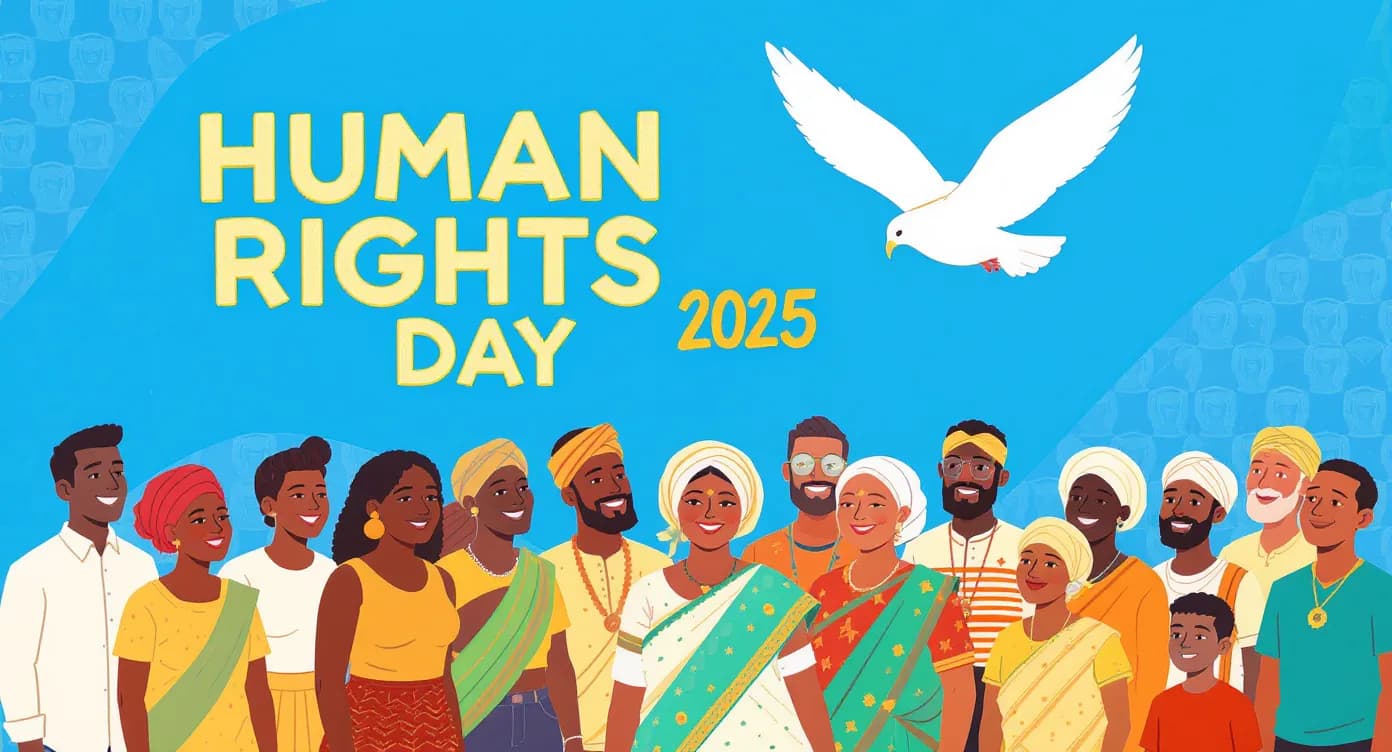
Human Rights Day 2025: Universal Dignity Through Quranic Wisdom and Thirukkural
December 10, 2025 – Today marks Human Rights Day (HRD), a global observance commemorating the adoption of the Universal Declaration of Human Rights (UDHR) by the United Nations General Assembly on December 10, 1948. This historic document established, for the first time in history, a comprehensive framework recognizing the inherent dignity and equal rights of all members of the human family as the foundation of freedom, justice, and peace in the world.
Seventy-seven years later, Human Rights Day remains a crucial reminder that the struggle for dignity, equality, and justice is ongoing. From freedom of expression to protection from torture, from the right to education to freedom from discrimination—these universal principles transcend borders, cultures, and religions.
This blog explores:
- The history and significance of Human Rights Day
- Quranic teachings on human rights, dignity, and justice
- Thirukkural's wisdom on greatness, equality, and humility
- Tamil literary contributions to human rights discourse
- How ancient ethical frameworks align with modern human rights
1. What is Human Rights Day? History and Global Significance
1.1 The Universal Declaration of Human Rights (UDHR)
On December 10, 1948, in Paris, the UN General Assembly adopted the Universal Declaration of Human Rights—a milestone document proclaiming the inalienable rights to which every human being is entitled. The Declaration was drafted by representatives from diverse legal and cultural backgrounds from all regions of the world, chaired by Eleanor Roosevelt.
Key Features of the UDHR:
- 30 articles covering civil, political, economic, social, and cultural rights
- Non-binding but morally authoritative
- Most translated document in the world (over 500 languages)
- Foundation for more than 60 human rights treaties and instruments
Core Rights Enshrined:
- Right to life, liberty, and security
- Freedom from slavery and torture
- Equality before the law
- Freedom of thought, conscience, and religion
- Right to education, work, and adequate standard of living
- Freedom of expression and assembly
1.2 Establishment of Human Rights Day
The formal establishment of Human Rights Day occurred on December 4, 1950, when the UN General Assembly passed Resolution 423(V), inviting all member states and interested organizations to observe December 10 annually as Human Rights Day.
Global Observance:
- High-level political conferences addressing human rights challenges
- Cultural events and exhibitions promoting awareness
- Award ceremonies: The UN Prize in the Field of Human Rights and Nobel Peace Prize are traditionally awarded on this day
- Grassroots campaigns by NGOs, civil society organizations, and human rights defenders worldwide
1.3 Human Rights Day Through the Decades
1950s-1960s:
- Focus on decolonization and self-determination
- Civil rights movements in the United States
- Anti-apartheid struggles in South Africa
1970s-1980s:
- Women's rights and gender equality movements
- Labor rights and economic justice
- Cold War tensions affecting human rights discourse
1990s-2000s:
- Post-Cold War emphasis on democracy and rule of law
- Rise of digital rights and privacy concerns
- Humanitarian interventions and "responsibility to protect"
2010s-Present:
- Climate justice as a human rights issue
- Migration and refugee rights
- LGBTQ+ rights recognition
- Digital surveillance and freedom of expression
- Pandemic-related rights (health access, movement restrictions)
1.4 The 60th Anniversary and Beyond
In 2008, the UN celebrated the 60th anniversary of the UDHR with a year-long global campaign emphasizing that poverty is the gravest human rights challenge. UN High Commissioner for Human Rights Louise Arbour stated:
"Combating poverty, deprivation and exclusion is not a matter of charity... By tackling poverty as a matter of human rights obligation, the world will have a better chance of abolishing this scourge in our lifetime."
Today, Human Rights Day continues to address:
- Economic inequality and access to resources
- Discrimination based on race, religion, gender, sexual orientation
- Authoritarian crackdowns on freedoms
- Climate change impacts on vulnerable populations
- Technology and privacy rights
2. Quranic Teachings on Human Rights: Divine Justice and Human Dignity
The Quran, revealed over 1,400 years ago, established foundational principles that align remarkably with modern human rights frameworks. While the UDHR is a secular document, Islamic teachings emphasize that human dignity is divinely ordained and must be protected.
2.1 The Sanctity of Life: Right to Life and Security
Surah Al-Ma'idah (5:32):
"Whoever kills a soul unless for a soul or for corruption in the land—it is as if he had slain mankind entirely. And whoever saves one—it is as if he had saved mankind entirely."
Read at: https://alquranjino.online/book/ara_quransimple/5/32
Key Principles:
- Every human life is sacred, regardless of faith, race, or status
- Killing one innocent person = killing all humanity
- Saving one life = saving all humanity
- This establishes the universal right to life as absolute
Modern Parallel:
- UDHR Article 3: "Everyone has the right to life, liberty and security of person."
2.2 Justice and Equality: Fairness for All, Even Enemies
Surah Al-Ma'idah (5:8):
"O you who have believed, be persistently standing firm for Allah, witnesses in justice, and do not let the hatred of a people prevent you from being just. Be just; that is nearer to righteousness."
Read at: https://alquranjino.online/book/ara_quransimple/5/8
Surah An-Nisa (4:135):
"O you who have believed, be persistently standing firm in justice, witnesses for Allah, even if it be against yourselves or parents and relatives."
Read at: https://alquranjino.online/book/ara_quransimple/4/135
Key Principles:
- Justice must be impartial, even toward enemies
- Personal relationships cannot compromise fairness
- Testimony against oneself or loved ones if truth demands it
- Hatred does not justify injustice
Modern Parallel:
- UDHR Article 10: "Everyone is entitled in full equality to a fair and public hearing by an independent and impartial tribunal."
2.3 Human Equality and Dignity: Beyond Race and Tribe
Surah Al-Hujurat (49:13):
"O mankind, indeed We have created you from male and female and made you peoples and tribes that you may know one another. Indeed, the most noble of you in the sight of Allah is the most righteous of you."
Read at: https://alquranjino.online/book/ara_quransimple/49/13
Key Principles:
- All humans share common origin (Adam and Eve)
- Diversity of nations and tribes is for mutual recognition and cooperation
- True nobility = piety (taqwa), not race, wealth, or lineage
- No inherent superiority of one race over another
Modern Parallel:
- UDHR Article 1: "All human beings are born free and equal in dignity and rights."
- UDHR Article 2: Rights apply without distinction of race, color, sex, language, religion, or national origin.
2.4 Freedom of Religion and Conscience
Surah Al-Baqarah (2:256):
"There is no compulsion in religion. The right course has become clear from the wrong."
Read at: https://alquranjino.online/book/ara_quransimple/2/256
Surah Al-Kafirun (109:6):
"For you is your religion, and for me is my religion."
Read at: https://alquranjino.online/book/ara_quransimple/109/6
Key Principles:
- Freedom of belief is fundamental
- No one can be forced to accept Islam
- Respect for others' religious choices
- Responsibility lies with the individual before God
Modern Parallel:
- UDHR Article 18: "Everyone has the right to freedom of thought, conscience and religion."
2.5 Protection of the Vulnerable: Orphans, Poor, and Oppressed
Surah Al-Ma'un (107:1-3):
"Have you seen the one who denies the Recompense? For that is the one who drives away the orphan and does not encourage the feeding of the poor."
Read at: https://alquranjino.online/book/ara_quransimple/107/1
Surah An-Nisa (4:10):
"Indeed, those who devour the property of orphans unjustly are only consuming into their bellies fire."
Read at: https://alquranjino.online/book/ara_quransimple/4/10
Key Principles:
- Protecting the vulnerable is a religious obligation
- Caring for orphans, widows, and the poor = true faith
- Economic exploitation of the weak = severe sin
- Society must ensure social safety nets
Modern Parallel:
- UDHR Article 25: Right to adequate standard of living, including food, clothing, housing, and medical care.
2.6 Right to Property and Fair Economic Dealings
Surah An-Nisa (4:29):
"O you who have believed, do not consume one another's wealth unjustly but only [in lawful] business by mutual consent."
Read at: https://alquranjino.online/book/ara_quransimple/4/29
Key Principles:
- Private property rights are protected
- Business must be based on mutual consent
- Fraud, theft, and exploitation are forbidden
- Economic transactions must be transparent and fair
Modern Parallel:
- UDHR Article 17: "Everyone has the right to own property alone as well as in association with others."
2.7 Prohibition of Torture and Cruel Treatment
While the Quran doesn't use the word "torture" explicitly, several principles establish human dignity:
Surah Al-Isra (17:70):
"We have certainly honored the children of Adam and carried them on the land and sea and provided for them of the good things and preferred them over much of what We have created, with [definite] preference."
Read at: https://alquranjino.online/book/ara_quransimple/17/70
Prophetic Teachings:
- The Prophet Muhammad ﷺ said: "Allah will torture those who torture people in this world." (Muslim)
- He forbade mutilation, even of enemies in war
- He commanded humane treatment of prisoners
Modern Parallel:
- UDHR Article 5: "No one shall be subjected to torture or to cruel, inhuman or degrading treatment or punishment."
2.8 The Concept of Amanah (Trust and Responsibility)
Surah Al-Ahzab (33:72):
"Indeed, we offered the Trust to the heavens and the earth and the mountains, and they declined to bear it and feared it; but man [undertook to] bear it."
Read at: https://alquranjino.online/book/ara_quransimple/33/72
Key Idea:
- Humans have a unique amanah (trust/responsibility) from Allah
- This includes stewardship over:
- The earth and environment
- Justice and fairness in society
- Protection of human dignity
- Use of free will responsibly
3. Thirukkural on Greatness and Human Dignity
Thiruvalluvar, in Chapter 97 titled "Perumai" (Greatness), explores what makes a person truly great—not birth, wealth, or power, but character, humility, and ethical conduct. These verses align perfectly with human rights principles of inherent dignity and equality.
3.1 Kural 971: Greatness Defined
ஒளிஒருவற்கு உள்ள வெறுக்கை இளிஒருவற்கு
அஃதிறந்து வாழ்தும் எனல்.
Olioruvarku Ulla Verukkai Ilioruvarku
Aqdhirandhu Vaazhdhum Enal.
Meaning:
Honour is to crave for excellence. Dishonor is to say: "I shall live without it."
Human Rights Connection:
- True greatness = striving for moral excellence
- Living without ethical standards = dishonor
- This establishes that dignity is tied to conduct, not status
3.2 Kural 972: All Are Born Equal
பிறப்பொக்கும் எல்லா உயிர்க்கும் சிறப்பொவ்வா
செய்தொழில் வேற்றுமை யான்.
Pirappokkum Ellaa Uyirkkum Sirappovvaa
Seydhozhil Vetrumai Yaan.
Meaning:
By birth all men are equal. Differences in their action render their worth unequal.
Human Rights Connection:
- Universal equality at birth—no one is born superior
- Only actions and character create distinctions
- Direct parallel to UDHR Article 1: "All human beings are born free and equal in dignity and rights"
Historical Context:
- Written over 2,000 years ago, challenging caste hierarchy
- Revolutionary statement in a stratified society
- Foundation for Tamil egalitarian tradition
3.3 Kural 973: Status ≠ Character
மேலிருந்தும் மேலல்லார் மேலல்லர் கீழிருந்தும்
கீழல்லார் கீழல் லவர்.
Melirundhum Melallaar Melallar Keezhirundhum
Keezhallaar Keezhal Lavar.
Meaning:
Neither the high-born who act low are high, nor the low-born who act high, low.
Human Rights Connection:
- Character transcends social position
- A king who acts unjustly is not truly "high"
- A poor person who acts nobly is not truly "low"
- Challenges discrimination based on birth or status
3.4 Kural 974: Greatness Through Self-Control
ஒருமை மகளிரே போலப் பெருமையும்
தன்னைத்தான் கொண்டொழுகின் உண்டு.
Orumai Makalire Polap Perumaiyum
Thannaiththaan Kontozhukin Untu.
Meaning:
Even greatness, like a woman's chastity, belongs only to him who guards himself.
Human Rights Connection:
- True greatness requires self-discipline and integrity
- Rights come with responsibilities
- Personal accountability is essential
3.5 Kural 975: Greatness Through Difficult Achievements
பெருமை யுடையவர் ஆற்றுவார் ஆற்றின்
அருமை உடைய செயல்.
Perumai Yutaiyavar Aatruvaar Aatrin
Arumai Utaiya Seyal.
Meaning:
If the great achieve anything, it will be deeds rare in achievement.
Human Rights Connection:
- Greatness = accomplishing what others cannot
- Human rights defenders often face extraordinary challenges
- True leaders achieve what seems impossible
3.6 Kural 976: Small Minds Cannot Emulate the Great
சிறியார் உணர்ச்சியுள் இல்லை பெரியாரைப்
பேணிக்கொள் வேமென்னும் நோக்கு.
Siriyaar Unarchchiyul Illai Periyaaraip
Penikkol Vemennum Nokku.
Meaning:
It is not in the nature of the small to have that outlook of emulating the great.
Human Rights Connection:
- Those who violate rights lack the vision to understand dignity
- Oppressors cannot comprehend the greatness of those who fight for justice
3.7 Kural 978: Humility vs. Pride
பணியுமாம் என்றும் பெருமை சிறுமை
அணியுமாம் தன்னை வியந்து.
Paniyumaam Endrum Perumai Sirumai
Aniyumaam Thannai Viyandhu.
Meaning:
The great are always humble, and the small lost in self-admiration.
Human Rights Connection:
- True greatness = humility and service
- Tyrants and oppressors = arrogant and self-absorbed
- Human rights defenders work without seeking glory
3.8 Kural 980: Hiding Faults vs. Exposing Them
அற்றம் மறைக்கும் பெருமை சிறுமைதான்
குற்றமே கூறி விடும்.
Atram Maraikkum Perumai Sirumaidhaan
Kutrame Koori Vitum.
Meaning:
The great hide others' faults. Only the small talk of nothing else.
Human Rights Connection:
- Greatness = protecting others' dignity, even when they err
- Pettiness = publicly shaming and humiliating
- Respecting human dignity means not exploiting others' mistakes
4. Tamil Literature and Human Rights
4.1 Ancient Tamil Literary Foundations
Sangam Literature (300 BCE – 300 CE):
- Tolkappiyam: Earliest Tamil grammar, includes sections on ethics and justice
- Ettutogai and Pattuppattu: Collections portraying compassion, justice, and harmonious living
- Emphasis on அறம் (aram/dharma) = righteousness and moral duty
Tamil Epics:
- Silappathikaram: Story of Kannagi seeking justice for her husband's wrongful execution—a powerful statement on rule of law and due process
- Manimegalai: Buddhist epic emphasizing compassion, non-violence, and social justice
4.2 Thirukkural as Universal Human Rights Text
Thirukkural's Global Recognition:
- Translated into over 80 languages
- Called the "Tamil Veda" and "Universal Scripture"
- Covers:
- Aram (virtue/righteousness) = civil and political rights
- Porul (wealth/governance) = economic and social rights
- Inbam (love/joy) = cultural rights and human relationships
Key Chapters Relevant to Human Rights:
- Chapter 1: God—establishing moral authority
- Chapter 10: Right conduct
- Chapter 97: Greatness (discussed above)
- Chapter 11: Truthfulness
- Chapter 17: Not coveting another's spouse
- Chapter 21: Not killing (non-violence)
4.3 Modern Tamil Contributions to Human Rights
Academic Works:
- "Human Rights Education in Tamil" by Prof. Dr. S. Dhanam
- "Human Rights and the Protection of Human Rights Act in Tamil"
- Legal handbooks on the Protection of Human Rights Act, 1993
Tamil Poetry and Human Rights:
- Abdul Rahman and other modern Tamil poets have explored:
- Gender equality
- Caste discrimination
- Workers' rights
- Freedom of expression
Tamil Nadu Human Rights Movements:
- Anti-caste movements led by Periyar E.V. Ramasamy
- Women's rights activism
- Labor rights in tea plantations and textile industries
- Environmental justice (e.g., anti-Sterlite protests)
5. Connecting Ancient Wisdom with Modern Human Rights
5.1 Common Themes
Both the Quran and Thirukkural align with the UDHR on:
✅ Inherent human dignity: All humans have worth regardless of status
✅ Equality: Birth, race, or caste do not determine value
✅ Justice: Fairness must apply to all, even enemies
✅ Protection of the vulnerable: Society must care for orphans, poor, oppressed
✅ Accountability: Rights come with responsibilities
✅ Non-violence: Life is sacred; killing is condemned
5.2 Why Ancient Texts Matter Today
Objection: "Why reference old religious texts when we have modern secular human rights law?"
Answer:
- Cultural relevance: For billions, religious/ethical texts carry moral authority
- Deeper foundation: Rights rooted in divine/eternal principles are harder to dismiss
- Broader appeal: Secular language alone may not resonate in traditional societies
- Historical continuity: Shows human rights aren't a "Western import" but universal values
6. Download Al-Quran Multilingual App
To explore more Quranic verses on justice, equality, and human dignity, download the Al-Quran Multilingual App:
📱 Android: https://play.google.com/store/apps/details?id=jino.quran.app
🍎 iOS/macOS: https://apps.apple.com/in/app/al-quran-multilingual/id6738510896
💻 Desktop: https://github.com/jinosh05/Al-Quran-Multilingual-Desktop/releases
Features:
- 90+ translations including Tamil, English, Urdu, Hindi, Malayalam
- Search verses on justice, equality, human rights
- Offline access and beautiful interface
Website: https://alquranjino.online
7. Join the Community
Telegram: https://t.me/+do4xJsQLTbNhZTc1
Discuss:
- Human rights from Islamic and Tamil perspectives
- Current human rights challenges
- How to apply ancient wisdom today
8. FAQ
Q1: Are human rights a "Western concept"?
No. While the UDHR was drafted in 1948, core human rights principles exist in all major civilizations:
- Islamic teachings (7th century CE)
- Thirukkural and Tamil literature (1st–3rd century CE)
- Buddhist and Hindu ethics (centuries BCE)
- African Ubuntu philosophy
The UDHR codified universal values that existed across cultures.
Q2: Do Quranic human rights differ from the UDHR?
Similarities:
- Sanctity of life, justice, equality, freedom of religion
Differences:
- Source: Quran = divine command; UDHR = human consensus
- Scope: Quranic rights are duties before God; UDHR rights are claims against the state
- Some specifics: Islamic law has unique provisions on family, inheritance, criminal justice
Both can coexist: Many Muslim-majority countries have ratified the UDHR while maintaining Islamic identity.
Q3: How can I contribute to human rights?
- Educate yourself about rights issues
- Speak up against injustice in your community
- Support organizations working on rights
- Vote for leaders committed to human dignity
- Practice respect and fairness in daily life
Q4: What are the biggest human rights challenges today?
- Economic inequality and poverty
- Racial and ethnic discrimination
- Gender-based violence
- Climate change impacts
- Authoritarianism and suppression of freedoms
- Migration and refugee crises
- Digital surveillance and privacy
On this Human Rights Day 2025, let us remember that dignity is not negotiable, justice is not optional, and equality is not a privilege—these are the birthright of every human being, affirmed by both ancient wisdom and modern law.
Happy Human Rights Day!

Jinosh Nadar
Founder of Al Quran Multilingual. Dedicated to making Islamic wisdom accessible.