Indian Navy Day 2025: Celebrating Tamil Naval Heritage and India's Maritime Glory
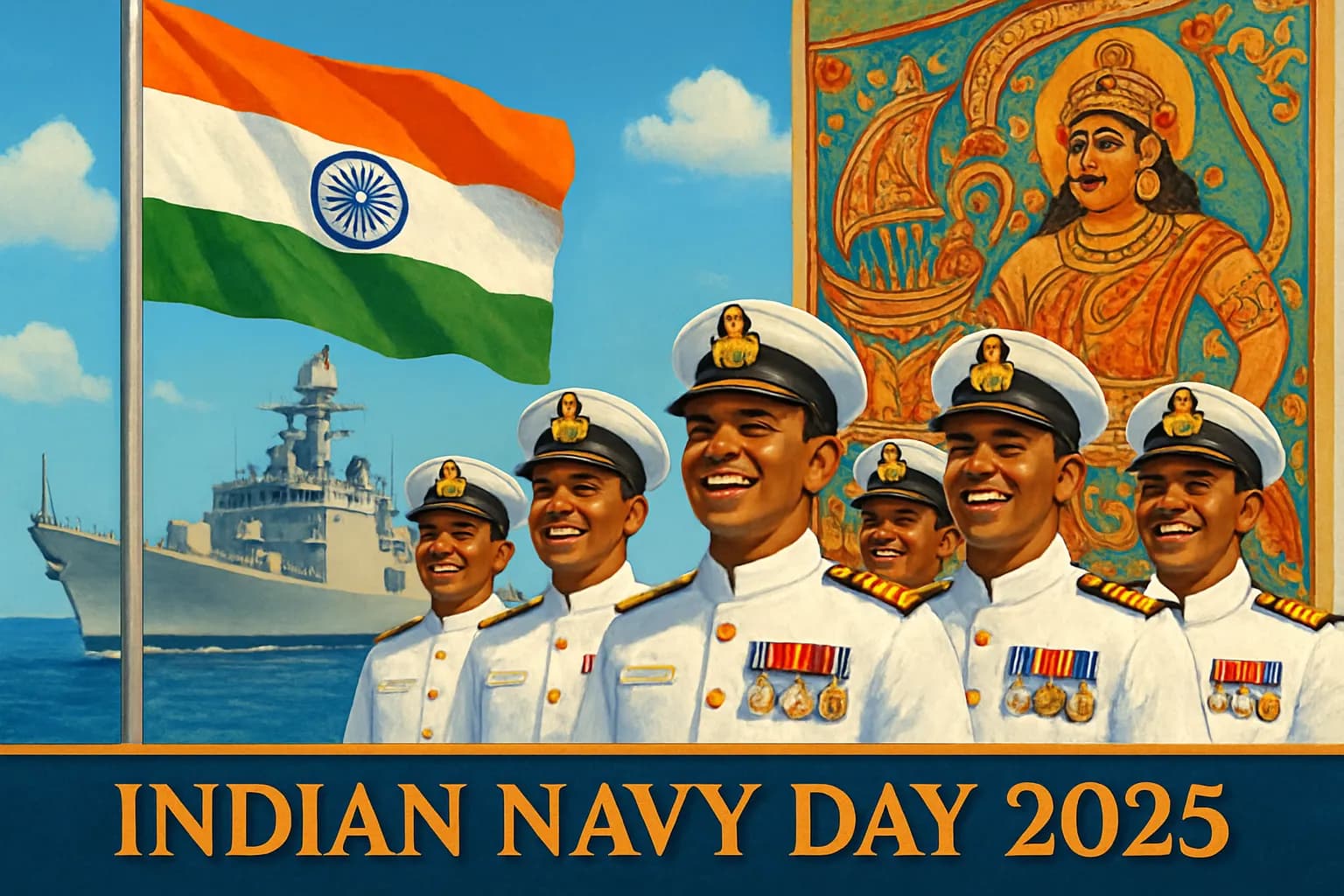
Indian Navy Day 2025: Celebrating Tamil Naval Heritage and Maritime Glory
December 4, 2025 – Today, India commemorates Navy Day, honoring the courage, sacrifice, and strategic brilliance of the Indian Navy. This date marks the anniversary of Operation Trident (December 4, 1971), when the Indian Navy executed a daring missile attack on Karachi harbor during the Indo-Pakistani War, sinking four Pakistani vessels including PNS Khaibar and crippling Pakistan's naval capabilities.
While we celebrate the modern Indian Navy's achievements, it's crucial to remember that India's maritime prowess has ancient roots—particularly in Tamil Nadu, where the Chola, Chera, and Pandya dynasties built formidable naval forces that dominated the Indian Ocean trade routes and projected Tamil power across Southeast Asia for centuries.
This Navy Day tribute explores:
- Tamil naval empires that predated European colonial navies
- The legendary Chola Navy under Rajaraja and Rajendra Chola
- Evidence of Tamil maritime influence across the world
- Islamic teachings on seafaring and trade
- How ancient wisdom informs modern naval strategy
1. Why December 4? Operation Trident and Modern Indian Naval Pride
1.1 The 1971 Victory
On the night of December 4–5, 1971, the Indian Navy launched Operation Trident, a bold offensive against Pakistan's Karachi harbor during the Bangladesh Liberation War:
- Three Osa-class missile boats (INS Nipat, INS Nirghat, INS Veer) fired Styx anti-ship missiles
- Sank PNS Khaibar (destroyer) and PNS Muhafiz (minesweeper)
- Destroyed oil storage tanks, crippling Pakistan's fuel supplies
- Marked the first use of anti-ship missiles in combat in the Indo-Pakistani context
- Resulted in zero Indian casualties
This decisive victory:
- Demonstrated India's naval superiority in the region
- Boosted national morale during the war
- Established December 4 as a day to honor naval personnel
1.2 Indian Navy Today
The modern Indian Navy:
- Operates aircraft carriers (INS Vikramaditya, INS Vikrant)
- Deploys nuclear-powered submarines
- Protects 7,516 km of coastline and island territories
- Conducts anti-piracy operations (e.g., in Gulf of Aden)
- Participates in humanitarian missions (tsunami relief, evacuations)
Yet this maritime strength stands on the shoulders of ancient Tamil seafarers who ruled the waves a thousand years ago.
2. Tamil Naval Heritage: The Chola Maritime Empire
2.1 Rajaraja Chola I: The Foundation Builder (985–1014 CE)
Rajaraja Chola I (ruled 985–1014 CE) transformed the Chola kingdom into a maritime superpower:
Naval Achievements:
- Created a standing navy and professional army
- Conquered northern Sri Lanka and the Maldives
- Established control over the Malabar Coast (Kerala)
- Built naval bases at ports like Nagapattinam and Kaveripattinam
- Developed advanced shipbuilding technology
Strategic Vision:
- Recognized that controlling sea trade routes = economic dominance
- Protected Tamil merchant guilds (Ainnurruvar, Manigramam) operating across the Indian Ocean
- Projected power through naval diplomacy and expeditions
2.2 Rajendra Chola I: The Naval Conqueror (1012–1044 CE)
Rajendra Chola I (son of Rajaraja) expanded the Chola Navy to its zenith:
The Great Naval Expedition of 1025 CE:
- Launched a massive overseas military campaign to Southeast Asia
- Target: Srivijaya Empire (modern-day Indonesia, Malaysia, Southern Thailand)
- Conquered key ports including:
- Kedah (Malaysia)
- Palembang (Sumatra)
- Parts of Java
- Sailed up the Ganges River to raid the Pala Empire in Bengal
Why This Matters:
- This was one of the longest naval expeditions in medieval history
- Covered approximately 3,000+ nautical miles across hostile waters
- Demonstrated Tamil mastery of:
- Navigation (monsoon wind patterns, star-based navigation)
- Logistics (supplying a large fleet for months)
- Amphibious warfare (coordinated land-sea operations)
Result:
- Rajendra Chola earned the title "Gangaikonda Chola" (Chola who conquered the Ganges)
- Built a new capital: Gangaikonda Cholapuram
- The Chola Empire became the dominant naval power in the Indian Ocean for over 150 years
2.3 Chola Naval Organization and Technology
Fleet Composition: The Chola Navy consisted of various ship types:
- Merchant vessels (கலம் - kalam): Used for trade, converted for military transport
- Warships (படைக் கப்பல் - padai kappal): Armed vessels for naval combat
- Landing craft: Specialized boats for amphibious assaults
- Supply ships: Supported long-distance expeditions
Naval Infrastructure:
- Shipyards at Nagapattinam, Kaveripattinam, Mamallapuram
- Lighthouse systems for navigation
- Dry docks for ship repair and maintenance
- Harbor fortifications to protect ports
Shipbuilding Technology:
- Tamil shipwrights used teak and sal wood (resistant to saltwater)
- Advanced hull design for stability in rough seas
- Caulking techniques using natural resins to waterproof ships
- Sail technology to harness monsoon winds efficiently
Naval Tactics:
- Blockade tactics to strangle enemy ports
- Amphibious landings combining naval bombardment with ground assault
- Convoy protection for merchant fleets
- Intelligence networks through Tamil traders abroad
2.4 Economic and Cultural Impact
The Chola Navy wasn't just military—it was the engine of a vast trade empire:
Trade Networks:
- Tamil merchants traded:
- Spices (pepper, cardamom, cinnamon)
- Textiles (cotton, silk)
- Precious stones (diamonds, pearls)
- Metal goods (bronze, iron)
- Reached markets in:
- Arabia (through Red Sea and Persian Gulf)
- East Africa (Swahili coast)
- China (through South China Sea)
- Southeast Asia (Indonesia, Malaysia, Thailand, Cambodia)
Cultural Diffusion:
- Tamil language and script spread to Southeast Asia
- Hindu temples built by Tamil merchants abroad (e.g., Brihadeeswarar Temple influences in Cambodia's Angkor Wat)
- Tamil Brahmi inscriptions found in Indonesia and Thailand
- Tamil architectural styles influenced Southeast Asian temple construction
2.5 Literary Evidence: Chola Naval Power in Tamil Literature
Sangam Literature (300 BCE – 300 CE): Even before the Chola naval empire, ancient Tamil poetry referenced seafaring:
- Pattinappalai describes the bustling port of Kaveripattinam with ships from foreign lands
- Purananuru mentions Tamil kings sending naval expeditions
- Madurai Kanchi describes merchant vessels laden with goods
Chola Inscriptions:
- Thanjavur Temple inscriptions record naval victories
- Grants to sailors and shipbuilders documented in stone
- References to "கடல் படை" (kadal padai - naval force)
3. Chera and Pandya Naval Contributions
While the Cholas are most famous, the other two Tamil kingdoms also maintained naval capabilities:
3.1 Chera Navy (Modern-day Kerala Region)
Maritime Strengths:
- Controlled the Malabar Coast, a crucial spice trade hub
- Major ports: Muziris (Kodungallur), Kollam, Quilon
- Traded directly with:
- Roman Empire (evidenced by Roman coins found in Kerala)
- Arab merchants
- Chinese traders
Naval Activities:
- Protected merchant fleets from pirates
- Maintained harbor infrastructure
- Engaged in diplomatic exchanges with foreign powers
Historical Evidence:
- Periplus of the Erythraean Sea (1st century CE Greek text) describes Muziris as a major port with large ships
- Pliny the Elder mentions trade with the Chera coast
- Archaeological finds: Roman amphorae, Chinese pottery, Arab ceramics
3.2 Pandya Navy (Southern Tamil Nadu)
Maritime Focus:
- Major port: Korkai (ancient pearl fishing center)
- Controlled southern tip of India and Gulf of Mannar
- Famous for pearl trade with Rome and Arabia
Naval Operations:
- Coastal defense against invaders
- Protection of fishing fleets
- Trade expeditions to Sri Lanka and beyond
Literary References:
- Megasthenes (Greek ambassador to Mauryan court) mentions Pandya kingdom's wealth from sea trade
- Sangam poems describe Pandya ships bringing treasures
4. Breaking the "Kala Pani" Myth: South Indian Maritime Tradition vs. North Indian Taboos
4.1 What is Kala Pani?
"Kala Pani" (literally "black water") refers to a North Indian Hindu taboo against crossing the seas:
- Rooted in certain Brahminical texts (particularly Manusmriti and some Dharmashastra traditions)
- Belief: Crossing oceans causes:
- Loss of varna (caste status)
- Ritual pollution
- Need for prayaschitta (penance) upon return
4.2 Why This Taboo Did NOT Apply to South Indians
Historical Reality: South Indian kingdoms, especially Tamils, completely ignored this taboo:
- Tamil Sangam literature (300 BCE – 300 CE) celebrates sea trade and naval power
- Chola inscriptions proudly record overseas conquests
- Tamil merchant guilds operated across Asia for centuries
- No evidence of ritual pollution concerns in Tamil texts regarding sea travel
Why the Difference?
- Geography: South India is a peninsula surrounded by sea; maritime activity was essential
- Economic pragmatism: Sea trade was too lucrative to abandon for religious taboos
- Different religious traditions: South Indian Hinduism (Shaivism, Vaishnavism) had different ritual codes
- Independent cultural development: Tamil kingdoms developed outside Vedic/North Indian cultural sphere
Modern Context:
- During British colonial period, upper-caste North Indians feared "losing caste" if they traveled to England
- South Indians, Parsis, and lower-caste Indians had no such hesitation
- This partly explains why South Indians were overrepresented in British colonial services abroad
5. Evidence of Tamil Presence Across the Globe
5.1 Southeast Asia: Temples, Inscriptions, and Genetic Legacy
Indonesia:
- Prambanan Temple (Java): Shows Tamil architectural influences
- Tamil Brahmi inscriptions found in Sumatra
- Genetic studies: Tamil DNA markers in Indonesian populations
Malaysia:
- Bujang Valley (Kedah): Ancient Tamil settlement ruins
- Tamil inscriptions dating to 7th–11th centuries
- Cultural continuity: Modern Malaysian Indian community traces roots to medieval Tamil traders
Thailand:
- Tamil inscriptions at Takua Pa and other sites
- Hindu-Buddhist syncretism influenced by Tamil Shaivism
- Ayutthaya Kingdom had Tamil merchant quarters
Cambodia:
- Angkor Wat and other temples show Chola architectural influence
- Sanskrit-Tamil bilingual inscriptions
- Tamil merchants formed significant communities in Khmer Empire
Myanmar (Burma):
- Tamil traders operated in ports like Pegu
- Archaeological evidence of Tamil pottery and goods
5.2 East Africa: Swahili Coast Connections
Kenya and Tanzania:
- Medieval Swahili city-states (Kilwa, Mombasa, Zanzibar) traded with Tamil merchants
- Tamil-origin words in Swahili (though more Persian/Arab influence overall)
- Archaeological finds: South Indian pottery and coins
5.3 Middle East: Trade and Cultural Exchange
Arabian Peninsula:
- Tamil merchants traded in Aden, Muscat, Hormuz
- Malabar Coast trade brought Tamil goods to Arab markets
- Some Tamil words entered Arabic (especially related to trade goods like pepper, cinnamon)
Persian Gulf:
- Tamil traders operated in Basra, Baghdad during Abbasid Caliphate
- Medieval Arab geographers (Al-Idrisi, Ibn Battuta) mention Tamil kingdoms and ports
5.4 East Asia: China and Beyond
China:
- Quanzhou (medieval port city) had Tamil merchant communities
- Chinese records mention "Chu-lien" (Chola) kingdom
- Maritime Silk Road connected Tamil ports to Chinese markets
Genetic and Linguistic Evidence:
- DNA studies show South Indian genetic markers in:
- Southeast Asian populations (Malaysia, Indonesia, Thailand)
- Maldives and Sri Lanka (heavy Tamil influence)
- Loan words from Tamil found in:
- Malay/Indonesian languages
- Thai
- Khmer
5.5 Architectural and Sculptural Evidence
Key Sites Showing Tamil Influence:
- My Son Sanctuary (Vietnam): Cham temples with Tamil-style architecture
- Borobudur (Java): Buddhist temple with Tamil merchant patronage
- Wat Phra Mahathat (Thailand): Tamil inscriptions and sculptures
- Sri Lankan temples: Chola-period Tamil sculptures and architecture
Art Motifs:
- Nataraja (Dancing Shiva) sculptures found across Southeast Asia
- Tamil-style gopuram (temple tower) architecture replicated
- Tamil bronze-casting techniques adopted
6. Islamic Teachings on Seafaring, Trade, and Naval Power
6.1 Quran on Sea Travel and Ships
The Quran repeatedly mentions the sea as a blessing from Allah and seafaring as divinely facilitated:
Surah An-Nahl (16:14):
"And it is He who subjected the sea for you to eat from it tender meat and to extract from it ornaments which you wear. And you see the ships plowing through it, that you may seek of His bounty; and perhaps you will be grateful."
Read at: https://alquranjino.online/book/ara_quransimple/16/14
This verse highlights:
- The sea as a source of food (fishing)
- Maritime trade ("ships plowing through it")
- Seeking Allah's bounty through commerce
Surah Ar-Rahman (55:24):
"And to Him belong the ships [with sails] elevated in the sea like mountains."
Read at: https://alquranjino.online/book/ara_quransimple/55/24
Surah Ibrahim (14:32):
"It is Allah who created the heavens and the earth and sent down rain from the sky... And He subjected for you the ships to sail through the sea by His command."
Read at: https://alquranjino.online/book/ara_quransimple/14/32
6.2 Islamic Maritime History
Early Islamic Naval Power:
- Rashidun Caliphate (632–661 CE) initially focused on land expansion
- Umayyad Caliphate (661–750 CE):
- Built powerful navy
- Conquered Cyprus, Rhodes, Crete
- Besieged Constantinople twice (674–678, 717–718)
- Abbasid Caliphate (750–1258 CE):
- Dominated Indian Ocean trade
- Arab merchants traded extensively with Tamil kingdoms
- Ibn Battuta (14th century) traveled by sea through Tamil lands
Muslim Naval Innovations:
- Lateen sails (triangular sails for better maneuverability)
- Navigation instruments (astrolabes, quadrants)
- Cartography (detailed sea charts)
6.3 Tamil Muslims in Maritime Trade
Confluence of Tamil and Islamic Maritime Culture:
- Arab traders settled in Tamil ports (Nagore, Kayalpattinam, Kilakkarai)
- Tamil Muslims emerged as major maritime traders
- Shared shipbuilding knowledge between Tamil and Arab sailors
Modern Legacy:
- Tamil Muslim communities in:
- Malaysia and Singapore
- South Africa
- Sri Lanka
- Continued maritime trading traditions
7. Lessons from Ancient Tamil Navy for Modern India
7.1 Strategic Principles
What Modern India Can Learn from Chola Naval Strategy:
-
Power Projection:
- Cholas didn't just defend coasts—they projected power abroad
- Modern parallel: India's aircraft carriers and overseas naval bases
-
Economic and Military Integration:
- Chola Navy protected trade, which funded the navy
- Modern parallel: Securing sea lanes of communication (SLOCs) for oil and trade
-
Diplomatic Use of Naval Power:
- Cholas used naval presence to secure alliances
- Modern parallel: India's naval diplomacy in Indo-Pacific
-
Indigenous Technology:
- Cholas built ships using local materials and expertise
- Modern parallel: "Atmanirbhar Bharat" (self-reliant India) in defense manufacturing
7.2 Cultural Pride and Recruitment
Tamil Youth in Indian Navy:
- Tamil Nadu has historically contributed significantly to Indian Navy personnel
- Celebrating Tamil naval heritage can:
- Inspire more youth to join
- Build regional pride in national defense
- Connect ancient glory to modern service
8. FAQs
Q1: Did the Cholas really have a navy as advanced as claimed?
A: Yes. Historical evidence includes:
- Inscriptions documenting naval victories and shipbuilding grants
- Foreign accounts (Chinese, Arab, Southeast Asian) mentioning Chola naval power
- Archaeological evidence of ports, shipyards, and Tamil presence in Southeast Asia
- Literary references in Tamil and Sanskrit texts
While romanticization exists, the core achievements (Southeast Asian expedition, Sri Lankan conquest, Indian Ocean trade dominance) are well-documented.
Q2: Why did the Chola Navy decline?
A: Several factors:
- Shift to land wars with Chalukyas and Hoysalas drained resources
- Rise of Pandyas in 13th century weakened Chola power
- Internal political fragmentation
- Rise of competing maritime powers (later Vijayanagara, Arab traders, eventually European colonizers)
Q3: Are there Chola shipwreck discoveries?
A: Direct Chola shipwrecks haven't been definitively identified, partly because:
- Wooden ships decay over centuries in tropical waters
- Archaeological marine surveys in Indian Ocean are still limited
- Some potential sites may exist but remain unexplored
However, indirect evidence (Tamil goods in Southeast Asian shipwrecks, port ruins) confirms their maritime activities.
Q4: What happened to Tamil naval traditions after the Cholas?
A:
- Nayak kingdoms (16th–18th centuries) maintained some naval capabilities
- Maratha Navy (17th–18th centuries) in western India carried on maritime traditions
- European colonization (Portuguese, Dutch, British) disrupted indigenous naval power
- Post-independence, Indian Navy revived maritime focus
Q5: How can I learn more about Tamil naval history?
A: Books:
- "Medieval Indian Navy" by K. M. Panikkar
- "The Naval Campaigns of the Cholas" by R. C. Majumdar
- "Trade and Statecraft in the Age of the Colas" by Nilakanta Sastri
Museums:
- Government Museum, Chennai (Chola period artifacts)
- Thanjavur Palace Museum (inscriptions, bronzes)
- Maritime Museum, Goa (Indian maritime history)
Online:
- Tamizh Aasan YouTube channel: https://www.youtube.com/@TamizhAasan
Q6: Did Tamil kingdoms collaborate with Muslim traders?
A: Yes. Tamil Hindu kings and Arab/Tamil Muslim traders had mutually beneficial relationships:
- Tamil kings granted land and privileges to Arab traders in ports
- Muslim merchants paid taxes and facilitated international trade
- Religious tolerance: mosques built in Tamil ports with royal patronage
- This collaboration enriched both communities
9. Download Al-Quran Multilingual App: Learn Islamic Maritime Wisdom
To explore Quranic verses on seafaring, trade, and Allah's blessings through the ocean:
📱 Android: https://play.google.com/store/apps/details?id=jino.quran.app
🍎 iOS/macOS: https://apps.apple.com/in/app/al-quran-multilingual/id6738510896
💻 Desktop: https://github.com/jinosh05/Al-Quran-Multilingual-Desktop/releases
Features:
- Read Quran in 90+ languages including Tamil and English
- Search for verses on sea, trade, ships, and travel
- Compare translations side-by-side
- Offline access for reading anywhere
Website: https://alquranjino.online
10. Join the Community
Telegram: https://t.me/+do4xJsQLTbNhZTc1
Join to:
- Discuss Tamil history, Islamic heritage, and Indian Navy
- Share insights on maritime culture
- Connect with history enthusiasts
11. Tamil Literature and History: Tamizh Aasan
📺 Subscribe: https://www.youtube.com/@TamizhAasan
Explore:
- Ancient Tamil history
- Chola maritime empire
- Thirukural and other classical Tamil literature
- Cultural heritage of Tamil Nadu
On this Navy Day 2025, let us salute:
- Modern Indian Navy personnel defending our seas
- Ancient Tamil mariners who ruled the Indian Ocean
- And the timeless wisdom that the sea is a blessing to be respected, explored, and protected
Jai Hind! வாழ்க தமிழ் கடற்படை! (Long live Tamil naval heritage!)

Jinosh Nadar
Founder of Al Quran Multilingual. Dedicated to making Islamic wisdom accessible.