Celebrating National Unity Day 2025: A Comprehensive Blog Promoting Unity Through Sacred Wisdom
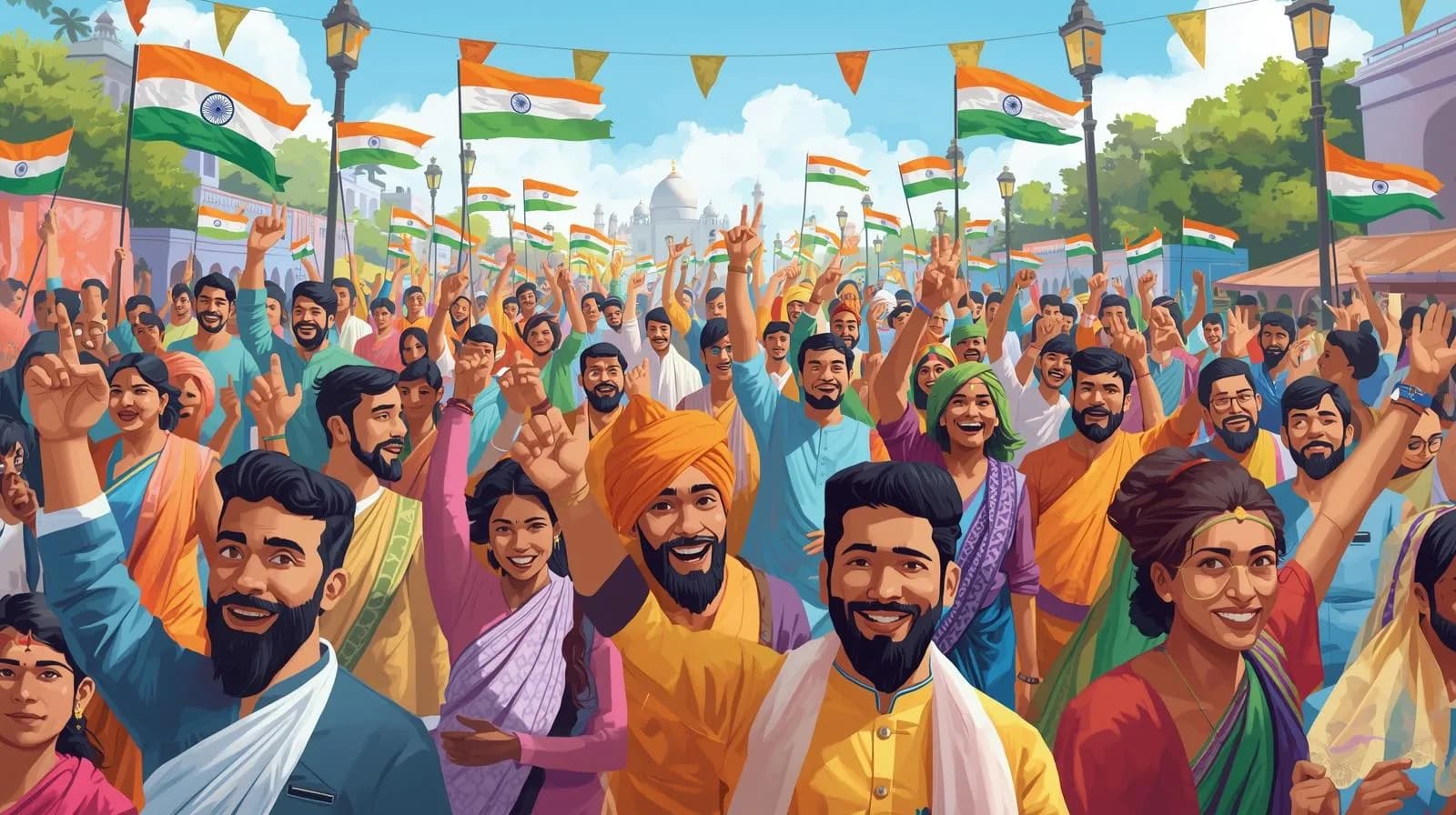
Celebrating National Unity Day 2025: Embracing India's Diversity Through Sacred Wisdom
October 31, 2025 - As India celebrates the 150th birth anniversary of Sardar Vallabhbhai Patel, we reflect on the timeless values of unity, diversity, and patriotism that define our great nation. This National Unity Day, also known as Rashtriya Ekta Diwas, reminds us of the monumental legacy left by the "Iron Man of India" who unified over 560 princely states into one sovereign nation.
Understanding National Unity Day: History and Significance
National Unity Day was first celebrated in 2014 by the Government of India to honor Sardar Vallabhbhai Patel's pivotal role in the political integration of India. Born on October 31, 1875, in Nadiad, Gujarat, Sardar Patel served as India's first Deputy Prime Minister and Home Minister. Through his exceptional diplomatic skills, unwavering determination, and strategic vision, he successfully integrated the fragmented princely states into the Union of India by August 15, 1947, preventing the potential balkanization of our nation.
The day stands as a powerful reminder of the inherent strength and resilience of our nation to withstand threats to unity, integrity, and security. This year's celebration holds extraordinary significance as it marks Sardar Patel's 150th birth anniversary, with grand celebrations planned at the Statue of Unity in Ekta Nagar, Gujarat—the world's tallest statue at 182 meters, dedicated to this visionary leader.
The official statement by the Home Ministry of India emphasizes that National Unity Day "will provide an opportunity to re-affirm the inherent strength and resilience of our nation to withstand the actual and potential threats to the unity, integrity, and security of our country." This observance has become a cornerstone of India's national consciousness, reminding citizens of the importance of collective responsibility and national integration.
The Vision of Ek Bharat Shreshtha Bharat
Carrying forward Sardar Patel's legacy, Prime Minister Narendra Modi announced the "Ek Bharat Shreshtha Bharat" initiative on October 31, 2015. This transformative program promotes cultural exchange and mutual understanding among states and union territories, celebrating India's diversity through interaction and reciprocity. The initiative embodies the principle of "unity in diversity" by pairing different states to strengthen emotional bonds through linguistic, cultural, and educational exchanges.
The theme for National Unity Day 2025, "Ek Bharat Aatmanirbhar Bharat" (One India, Self-Reliant India), symbolizes both Sardar Patel's visionary ambitions and contemporary India's aspirations to become a unified, self-reliant nation. This theme captures the concept that unity is more than keeping India unified—it is about making it inner-strength-filled, world-confident, and future-ready. The government sends a powerful message that India's greatest successes occur when all regions, languages, and cultures strive for a single national identity while maintaining their unique cultural heritage.
Sacred Wisdom from the Quran: Universal Brotherhood and Harmony
The Holy Quran, revealed over 1,400 years ago, provides profound guidance on unity, brotherhood, and peaceful coexistence—principles that resonate deeply with the spirit of National Unity Day. Let us explore four significant Quranic verses that illuminate the path to national harmony and celebrate diversity as a divine blessing.
1. The Verse of Brotherhood: Surah Al-Hujurat (49:10)
Arabic: "إِنَّمَا الْمُؤْمِنُونَ إِخْوَةٌ فَأَصْلِحُوا بَيْنَ أَخَوَيْكُمْ ۚ وَاتَّقُوا اللَّهَ لَعَلَّكُمْ تُرْحَمُونَ"
English Translation: "The believers are but brothers, so make settlement between your brothers. And fear Allah that you may receive mercy."
Read this verse at AlQuranJino
This fundamental verse establishes that all believers are brothers in faith, emphasizing the duty to maintain ties of kinship and unity. The verse refers to equality between individuals, transcending ethnic groups, tribes, and races. It highlights the necessity of reconciliation between religious brothers, making peace a cornerstone of community life. The Quran uses the word "innama" (indeed, only) to emphasize that brotherhood is not merely a suggestion but the very essence of the believing community.
This teaching mirrors Sardar Patel's vision of bringing together diverse princely states under one unified brotherhood of India. Just as the verse calls for reconciliation between brothers, Sardar Patel spent countless hours negotiating, persuading, and unifying rulers who had different interests, backgrounds, and priorities. His approach was not of force but of fraternal dialogue, appealing to the common bonds that tied all Indians together.
The verse also establishes that maintaining unity requires active effort—"make settlement between your brothers." It is not enough to simply declare unity; one must work continuously to resolve disputes, address grievances, and foster understanding. This principle guided India's founding fathers as they drafted a Constitution that balanced regional autonomy with national unity, creating a federal structure that respects diversity while maintaining sovereignty.
2. Unity Through Divine Guidance: Surah Al-Imran (3:103)
Arabic: "وَاعْتَصِمُوا بِحَبْلِ اللَّهِ جَمِيعًا وَلَا تَفَرَّقُوا ۚ وَاذْكُرُوا نِعْمَتَ اللَّهِ عَلَيْكُمْ إِذْ كُنتُمْ أَعْدَاءً فَأَلَّفَ بَيْنَ قُلُوبِكُمْ فَأَصْبَحْتُم بِنِعْمَتِهِ إِخْوَانًا"
English Translation: "And hold fast by the covenant of Allah all together and be not disunited, and remember the favor of Allah on you when you were enemies, then He united your hearts so by His favor you became brethren."
Read this verse at AlQuranJino
This verse powerfully narrates the transformation of enemies into brothers through unity and collective adherence to divine principles. It emphasizes that those who were once adversaries were brought together by Allah's grace, becoming brothers and sisters. The imagery of holding fast to the "rope of Allah" symbolizes divine guidance—representing the Quran or Islam itself—that unites the community in purpose and direction.
The historical context of this verse is particularly illuminating. It was revealed in reference to the Arab tribes of Aws and Khazraj in Medina, who had been locked in bitter warfare for generations. When they embraced Islam, their hearts were united, and they became the Ansar (helpers) who supported the Prophet and the migrant Muslims from Mecca. Their story demonstrates that even the deepest animosities can be overcome through shared values and common purpose.
This teaching reflects India's freedom movement, where leaders from diverse backgrounds—Hindus, Muslims, Sikhs, Christians, Parsis, and others—united under the common banner of independence. Mahatma Gandhi, Sardar Patel, Jawaharlal Nehru, Maulana Azad, Khan Abdul Ghaffar Khan, Sarojini Naidu, and countless others set aside their differences to work toward a shared vision of a free, democratic India. The verse reminds us that division weakens while unity strengthens, and that remembering past conflicts should motivate us to preserve the hard-won peace and harmony we enjoy today.
3. Celebrating Diversity: Surah Ar-Rum (30:22)
Arabic: "وَمِنْ آيَاتِهِ خَلْقُ السَّمَاوَاتِ وَالْأَرْضِ وَاخْتِلَافُ أَلْسِنَتِكُمْ وَأَلْوَانِكُمْ ۚ إِنَّ فِي ذَٰلِكَ لَآيَاتٍ لِّلْعَالِمِينَ"
English Translation: "And one of His signs is the creation of the heavens and the earth, and the diversity of your languages and colours. Surely in this are signs for those who know."
Read this verse at AlQuranJino
This magnificent verse celebrates human diversity as a divine sign worthy of contemplation. The Quran places the diversity of languages and colors alongside cosmic phenomena like the creation of the heavens and earth, elevating human differences to the status of miraculous signs pointing to the Creator's wisdom and power. This perspective fundamentally transforms how we should view diversity—not as a problem to be solved or tolerated, but as a blessing to be celebrated and a source of wonder.
The verse notes that languages and colors are among God's signs, much like the heavens, earth, sun, moon, and stars. Like signs on a highway pointing to our destination, the diversity we see in languages and skin colors are meant to help us reach our ultimate destination—recognizing the Creator's infinite creativity and appreciating His artistry in creation. Just as we admire the variety in nature—different flowers, birds, landscapes, and seasons—we should appreciate the beautiful variety in human cultures, languages, and appearances.
This verse teaches that diversity should be an opportunity for mutual recognition and appreciation of God's beauty, rather than creating barriers or fostering prejudice. India's 22 scheduled languages and over 1,369 mother tongues spoken across the nation exemplify this divine diversity. From the melodious Malayalam of Kerala to the classical Sanskrit of ancient texts, from the rhythmic Bengali of Tagore's poetry to the vibrant Punjabi of bhangra celebrations, each language carries unique wisdom, history, and cultural treasures.
Similarly, India's religious diversity—with Hinduism, Islam, Christianity, Sikhism, Buddhism, Jainism, and other faiths coexisting—reflects the Quranic principle that differences in belief and practice are part of the divine plan. The Quran states elsewhere, "For each community, We have appointed a code of law and a way of life. Had Allah willed, He would have made you one community, but He tests you through what He has given you. So compete in doing good" (5:48). This verse encourages healthy competition in righteousness while respecting diverse paths.
4. Unity in Diversity: Surah Al-Hujurat (49:13)
Arabic: "يَا أَيُّهَا النَّاسُ إِنَّا خَلَقْنَاكُم مِّن ذَكَرٍ وَأُنثَىٰ وَجَعَلْنَاكُمْ شُعُوبًا وَقَبَائِلَ لِتَعَارَفُوا ۚ إِنَّ أَكْرَمَكُمْ عِندَ اللَّهِ أَتْقَاكُمْ ۚ إِنَّ اللَّهَ عَلِيمٌ خَبِيرٌ"
English Translation: "O humanity! Indeed, We created you from a male and a female, and made you into peoples and tribes so that you may get to know one another. Indeed, the most noble of you in the sight of Allah is the most righteous among you. Allah is truly All-Knowing, All-Aware."
Read this verse at AlQuranJino
This universal verse addresses all of humanity—not just Muslims—emphasizing that human diversity is not a reason for division but an opportunity for mutual understanding and respect. The verse begins with "Ya ayyuha an-nas" (O humanity), establishing its message as applicable to all people regardless of faith, ethnicity, or nationality. This opening immediately establishes the universal brotherhood of humankind.
The Arabic phrase "li ta'arafu" (so that you may know one another) is a profound call for engagement, cooperation, and recognition of our shared humanity. The word implies deep, meaningful knowledge—not superficial acquaintance but genuine understanding, appreciation, and friendship. The verse suggests that God intentionally created human diversity to encourage interaction, dialogue, learning, and cultural exchange. If everyone were identical, there would be no opportunity for the enriching experience of learning from others, appreciating different perspectives, and growing through cross-cultural encounters.
The verse then establishes the only legitimate basis for superiority: righteousness and God-consciousness (taqwa). It explicitly rejects all forms of racial, ethnic, linguistic, or tribal supremacy. In a society where tribal affiliations determined one's status, this verse was revolutionary. It declared that a poor African slave could be more noble in God's sight than a wealthy Arab aristocrat if the former was more righteous. This egalitarian principle resonates with the Indian Constitution's guarantee of equality before the law regardless of religion, race, caste, sex, or place of birth.
This teaching resonates perfectly with India's motto of "unity in diversity," where 1.4 billion people from different linguistic, religious, and cultural backgrounds live together, contributing their unique strengths to the nation's progress. The verse reminds us that despite our shared origin from a single pair (Adam and Eve), differences in nations, tribes, languages, and cultures exist by divine design to facilitate knowing each other better—to learn, share, cooperate, and build a harmonious civilization together.
Wisdom from Thirukkural: Tamil Literature's Gift to Humanity
Thirukkural, composed by the revered Tamil sage Thiruvalluvar around the 5th century CE, consists of 1,330 couplets (kurals) offering timeless wisdom on virtue (aram), governance and prosperity (porul), and love (inbam). This classical Tamil text promotes universal values that transcend regional, religious, and temporal boundaries, making it highly relevant to National Unity Day. The kurals have been translated into over 40 languages worldwide, testifying to their universal appeal and enduring relevance.
Mahatma Gandhi was deeply influenced by Thirukkural, particularly its teachings on non-violence and righteous conduct. He wrote, "I esteem Thirukkural as a textbook on indispensable authority on moral life... There hardly exists in the literature of the world a collection of maxims in which we find so much of wisdom." Let us explore four significant kurals that embody the spirit of national integration and harmony.
1. The Virtue of Forbearance: Kural 151
Tamil: "அகழ்வாரைத் தாங்கும் நிலம்போலத் தம்மை இகழ்வார்ப் பொறுத்தல் தலை"
Transliteration: "Aghazhvārait thāngum nilampōlath thammai Ighazhvārp poruththal thalai"
English Translation: "Just as the Earth bears those who dig into her, it is best to bear with those who despise us."
This profound kural emphasizes forbearance (poruththal) as the highest virtue, using the powerful metaphor of Mother Earth who patiently tolerates those who wound her by digging. Despite being injured, the Earth does not retaliate but continues to support all life. Thiruvalluvar teaches that true greatness lies in exercising self-control and restraint when confronted with insults, criticism, and harmful actions.
The verse belongs to the chapter on forbearance (Poraiyudaimai), which is considered one of the most important virtues in the practice of aram (righteousness). Forbearance is not passive resignation or weakness; rather, it is the strength to remain calm and composed in the face of provocation. It is the wisdom to understand that reacting with anger or vengeance only perpetuates conflict, while patient tolerance can transform adversaries into allies.
This quality mirrors Sardar Patel's diplomatic patience in negotiating with recalcitrant princely states. Many rulers initially resisted integration, some making unreasonable demands, others openly hostile to the idea of joining India. Patel could have responded with force or anger, but instead, he bore their resistance with patience, persistently working toward integration through dialogue, persuasion, and strategic concessions when necessary. His forbearance ultimately won over most rulers, achieving through patience what force might have made impossible.
The verse reminds us that in our diverse democracy, tolerating different viewpoints and respecting dissent strengthens rather than weakens our national fabric. When we encounter opinions that contradict our own, criticism of our beliefs, or challenges to our traditions, forbearance allows us to engage constructively rather than defensively. This virtue is essential for maintaining harmony in a pluralistic society where people hold diverse and sometimes conflicting views on religion, politics, culture, and social issues.
2. The Power of Forgetting Wrongs: Kural 152
Tamil: "பொறுத்தல் இறப்பினை என்றும் அதனை மறத்தல் அதனினும் நன்று"
Transliteration: "Poruththal irappinai endrum athanai Maraththal athaninum nandru"
English Translation: "It is always good to endure injuries done to you, but to forget them is even better."
Building upon the previous kural, Thiruvalluvar elevates the virtue of forgiveness to an even higher plane. While forbearance (poruththal—bearing with patience) is admirable, completely forgetting the injury (maraththal) represents a superior moral state. The progression from bearing to forgetting mirrors the journey from surface-level tolerance to deep, genuine forgiveness that erases all resentment.
Forgetting, in this context, does not mean developing amnesia about the event. Rather, it means releasing all emotional attachment to the grievance—not harboring bitterness, not seeking revenge, not allowing the memory to poison one's heart. It is the ultimate form of forgiveness where the injured party no longer even considers themselves wronged. This complete release from resentment frees the forgiver from the burden of anger and allows relationships to be fully restored.
This teaching is particularly relevant to India's history, where communities suffered immense trauma during partition—millions killed, families separated, homes abandoned, unspeakable violence endured. Yet, the leaders of independent India chose the path of forgiveness and reconciliation to build a unified nation. Rather than allowing partition's wounds to fester, they focused on building institutions, developing the economy, and creating a society where all communities could coexist peacefully.
Similarly, India has experienced communal riots, caste conflicts, linguistic tensions, and regional disputes throughout its independent history. Each time, the nation has had to choose between harboring grievances or moving forward through reconciliation. The wisdom of Kural 152 reminds us that holding onto past grievances prevents progress, while forgetting them—truly letting go of resentment—allows us to move forward together as one nation.
In our personal lives and communities, this kural teaches us to practice radical forgiveness. When neighbors, colleagues, or fellow citizens wrong us—whether through harsh words, unfair treatment, or deliberate harm—we should not only bear it patiently but strive to forget it completely, releasing all resentment and choosing harmony over hostility.
3. Humanity's Highest Virtue: Kural 317
Tamil: "அன்பு உடையார் எல்லாம் தொடர்பு உடையார் அன்பு இலார் எல்லாம் அனாதை"
Transliteration: "Anbu udaiyār ellām thodarbu udaiyār anbu ilār ellām anāthai"
English Translation: "Those who possess love have connections with all; those without love are orphaned in the world."
This beautiful kural celebrates love (anbu) as the universal connector that binds humanity together. Thiruvalluvar teaches that those who have love in their hearts are never alone—they have meaningful relationships with all beings. Conversely, those who lack love, regardless of their wealth, status, or power, are essentially orphaned—isolated and disconnected from the human family.
The Tamil word anbu encompasses compassion, kindness, affection, and universal love. It is not limited to romantic love or familial bonds but extends to all of humanity and even to all living beings. This universal love recognizes the fundamental interconnection of all existence and responds with empathy, care, and concern for others' well-being.
This kural beautifully captures the essence of India's pluralistic society. When we approach our fellow citizens with anbu—whether they speak a different language, practice a different religion, or come from a different region—we create bonds that transcend superficial differences. We recognize our shared humanity and our common destiny as citizens of one nation.
The verse also reminds us that material possessions and social status cannot compensate for lack of love. A wealthy person without compassion is poorer than a pauper with a generous heart. A powerful leader without empathy for the people is weaker than a common citizen who cares for neighbors. True richness lies in the breadth and depth of one's loving relationships.
This teaching resonates with the message of National Unity Day—that India's strength lies not in military might or economic power alone, but in the love and solidarity among its diverse people. When 1.4 billion Indians treat each other with anbu, recognizing each other as brothers and sisters in the national family, no force can divide or weaken the nation.
4. Justice and Impartiality: Kural 111
Tamil: "இயல்பாகும் நோன்பிற் கொழுக்கும் சால அதனான் ஒழுக்கம் உயர்ந்தது உடைத்து"
Transliteration: "Iyalbāgum nōnbir kozhukkum sāla adhanān ozhukkam uyarndhadhu udaiththu"
English Translation: "The power of moral discipline lies in the strength it gives to one's natural character, making righteous conduct the highest virtue."
This kural emphasizes that true virtue (aram) and righteous conduct (ozhukkam) stem from disciplined character and moral strength. Thiruvalluvar teaches that when moral discipline becomes second nature—integrated into one's character rather than externally imposed—it naturally produces righteous behavior. This internalized morality is far superior to compliance motivated by fear of punishment or desire for reward.
The verse implies that impartiality and justice must flow from inner character, not merely from following rules. When fairness is deeply embedded in one's nature, one naturally treats all people equally—friends and strangers, the powerful and the powerless, one's own community and others. This authentic impartiality cannot be faked or forced; it must arise from genuine moral development.
This principle guided the drafting of India's Constitution, which guarantees equal rights to all citizens regardless of religion, race, caste, sex, or place of birth. Dr. B.R. Ambedkar and the Constituent Assembly worked tirelessly to create a framework where justice would be blind to differences and guided only by law and righteousness. The Constitution's Fundamental Rights ensure that every Indian—from the Prime Minister to the poorest citizen—is equal before the law.
Sardar Patel's approach to integrating princely states reflected this impartiality. He did not favor states ruled by leaders of his own religion or region, nor did he discriminate against those who initially resisted. Each state was treated fairly and according to the same principles—preserving India's unity while respecting legitimate regional interests. His impartial justice earned him respect from rulers across the political and religious spectrum.
The kural reminds us that in our multicultural democracy, justice must be blind to differences and guided only by righteousness. Whether in our families, workplaces, communities, or nation, we must treat all people fairly—not showing favoritism to those like us or prejudice against those different from us. Only through such impartial justice can we maintain the trust and harmony necessary for national unity.
India's Magnificent Diversity: A Source of Strength
India's diversity is not merely a demographic reality but a fundamental aspect of our national identity. Our nation exemplifies plurality in every dimension—linguistic, religious, cultural, geographical, and social. This diversity, far from being a weakness or obstacle, is India's greatest strength and the source of its cultural richness and civilizational resilience.
Linguistic Richness: A Thousand Tongues Speaking Unity
India ranks as the 4th most linguistically diverse country in the world according to Ethnologue, following Papua New Guinea, Indonesia, and Nigeria. This linguistic diversity reflects millennia of cultural evolution, migration, trade, and intellectual exchange. The Census 2011 recognizes:
- 22 scheduled languages under the Eighth Schedule of the Constitution, including Hindi, Bengali, Telugu, Marathi, Tamil, Urdu, Gujarati, Kannada, Malayalam, Odia, Punjabi, Assamese, Maithili, Sanskrit, Konkani, Manipuri, Nepali, Bodo, Dogri, Santali, Kashmiri, and Sindhi
- Over 121 major languages spoken by 10,000 or more people
- 1,369 rationalized mother tongues identified across the country
- 780 languages documented by the People's Linguistic Survey of India (2010), though 50 have become extinct in the past five decades
Hindi, spoken by 43.63% of the population, is the most widely spoken language, followed by Bengali (8.03%), Marathi (7.09%), Telugu (6.93%), Tamil (5.89%), Gujarati (4.48%), and Urdu (4.19%). However, these statistics only scratch the surface of India's linguistic reality. In many regions, people are naturally multilingual, speaking their mother tongue at home, a regional language in the marketplace, Hindi or English for national communication, and often knowing basics of neighboring languages through cultural contact.
Languages in India belong to four major families:
- Indo-Aryan (78%): Including Hindi, Bengali, Gujarati, Punjabi, and others, descended from Sanskrit
- Dravidian (20%): Including Tamil, Telugu, Kannada, and Malayalam, with ancient independent origins
- Austro-Asiatic (1.1%): Including Santali, Mundari, and others, spoken primarily by tribal communities
- Tibeto-Burman (1%): Including Manipuri, Bodo, and others, prevalent in the Northeastern states
This linguistic diversity, captured beautifully in the saying "Kos kos par badle paani, chaar kos par baani" (At every kos distance, the water changes; at every four kos, the tongue changes), reflects the rich cultural tapestry woven across our land. Each language carries unique literary traditions, philosophical concepts, folk wisdom, and cultural practices that enrich the collective Indian heritage.
The Indian Constitution's approach to linguistic diversity is itself a model of unity in diversity. While declaring Hindi in Devanagari script as the official language of the Union, it guarantees the right of states to adopt their own official languages, protects the rights of linguistic minorities, and mandates instruction in the mother tongue at the primary level. This balanced approach respects linguistic diversity while facilitating national communication and unity.
Religious Pluralism: Many Paths, One Destination
India exemplifies religious pluralism with a vibrant spectrum of faiths coexisting harmoniously. The Census 2011 records:
- Hinduism: 79.8% of the population, representing not a monolithic faith but a diverse family of philosophies, practices, and traditions ranging from Vedantic non-dualism to devotional bhakti movements
- Islam: 14.2%, the second-largest community, comprising Sunni, Shia, Ahmadiyya, and other denominations, contributing significantly to Indian culture, architecture, literature, music, and cuisine
- Christianity: 2.3%, with diverse denominations including Catholics, Protestants, Orthodox, and indigenous churches, present in India since at least the 1st century CE
- Sikhism: 1.7%, born in Punjab in the 15th century, emphasizing equality, selfless service (seva), and righteous living
- Buddhism: 0.7%, the ancient religion that originated in India, emphasizing non-violence, mindfulness, and the path to enlightenment
- Jainism: 0.4%, another ancient Indian religion emphasizing extreme non-violence (ahimsa), asceticism, and spiritual liberation
- Others: Including Zoroastrianism, Judaism, Bahá'í Faith, and tribal religions, each adding distinct threads to India's religious tapestry
Since ancient times, religious tolerance and coexistence have been integral to Indian society. Emperor Ashoka's edicts (3rd century BCE) promoting religious tolerance and the welfare of all sects exemplified this tradition. The Mauryan emperor, after converting to Buddhism, did not impose his faith on subjects but instead supported all religious communities. His Rock Edict XII states: "King Piyadasi honors all sects... Whoever praises his own religion, due to excessive devotion, and condemns others with the thought 'Let me glorify my own religion,' only harms his own religion."
The concept of dharma in Hindu philosophy emphasized tolerance and respect for others' beliefs, fostering an ethos of inclusivity. The Bhagavad Gita teaches, "In whatever way people surrender unto Me, I reciprocate accordingly. Everyone follows My path in all respects" (4.11), acknowledging diverse spiritual paths. The Rig Veda proclaims, "Ekam sat vipra bahudha vadanti" (Truth is one; the wise call it by many names), celebrating religious plurality.
Medieval India witnessed remarkable interfaith dialogue and synthesis. Sufi saints like Nizamuddin Auliya, Moinuddin Chishti, and Amir Khusrow promoted universal love transcending religious boundaries. Bhakti saints like Kabir, Guru Nanak, Ravidas, and Mirabai challenged religious orthodoxy and emphasized the unity of God beyond sectarian divisions. Emperor Akbar's policy of Sulh-e-Kul (universal peace) and his Ibadat Khana (House of Worship) where scholars of all faiths debated theological questions exemplified this inclusive tradition.
This heritage of religious pluralism continues in independent India, enshrined in the Constitution's guarantee of freedom of religion (Article 25-28) and the principle of secularism. India's secularism does not mean absence of religion from public life but rather equal respect for all religions—sarva dharma samabhava (equal respect for all faiths).
Cultural Mosaic: Unity Woven from Diverse Threads
India's cultural diversity manifests in countless dimensions:
Festivals: India celebrates a dazzling array of festivals reflecting its religious and cultural diversity. Diwali (festival of lights), Holi (festival of colors), Durga Puja, and Ganesh Chaturthi from Hindu traditions; Eid-ul-Fitr and Eid-ul-Adha from Islam; Christmas and Easter from Christianity; Guru Nanak Jayanti, Baisakhi, and Gurpurab from Sikhism; Buddha Purnima from Buddhism; Mahavir Jayanti from Jainism; plus countless regional festivals like Pongal, Onam, Bihu, Lohri, and Ugadi. Many festivals transcend religious boundaries—Diwali is celebrated by Hindus, Sikhs, Jains, and even some Muslims; Eid brings together people of all faiths for celebrations.
Cuisines: Indian cuisine is incredibly diverse, with each region offering distinct flavors, ingredients, and cooking techniques. From the rice-based dishes of the South to the wheat-based preparations of the North, from the seafood delicacies of coastal regions to the vegetarian specialties of Gujarat and Rajasthan, from the spicy curries of Andhra to the mild kormas of Kashmir, from the street food of Mumbai to the royal Mughlai cuisine of Lucknow—Indian food reflects the country's agricultural diversity, historical influences, and cultural preferences. Food brings Indians together, with regional cuisines enjoyed across the country and fusion dishes creating new culinary traditions.
Art and Architecture: India's artistic heritage spans millennia, from ancient cave paintings at Bhimbetka to contemporary art movements. Temple architecture varies dramatically—from the towering gopurams of Dravidian temples in the South to the shikhara-style temples of North India, from the sun-drenched temples of Konark and Khajuraho to the rock-cut marvels of Ellora and Elephanta. Mughal architecture gave India iconic monuments like the Taj Mahal, Red Fort, and Jama Masjid. Colonial architecture introduced Gothic, Victorian, and Indo-Saracenic styles. Traditional art forms like Madhubani, Warli, Pattachitra, and Tanjore painting coexist with modern Indian art pioneered by figures like Raja Ravi Varma, M.F. Husain, and Jamini Roy.
Classical and Folk Traditions: India boasts eight classical dance forms—Bharatanatyam, Kathak, Kathakali, Kuchipudi, Odissi, Manipuri, Mohiniyattam, and Sattriya—each with distinct styles, costumes, music, and themes. Countless folk dances like Bhangra, Garba, Bihu, Lavani, and Ghoomar reflect regional cultures. Indian classical music divides into Hindustani (North Indian) and Carnatic (South Indian) traditions, both incredibly sophisticated with complex ragas, talas, and improvisational structures. Folk music traditions—from the Baul singers of Bengal to the Qawwali of Sufi shrines, from Rajasthani folk ballads to Tamil Sangam poetry recitations—preserve cultural memory and community identity.
Social Customs: Marriage ceremonies vary dramatically across regions and communities—from elaborate North Indian weddings with sangeet, mehndi, and baraat to simple South Indian ceremonies, from Bengali weddings with sindoor daan to Punjabi Anand Karaj, from Christian church weddings to Muslim nikah ceremonies. Kinship systems, inheritance patterns, naming conventions, funeral rites, and social etiquette all vary by region, religion, and community.
The Freedom Movement: Unity Forged Through Struggle
The Indian National Movement (1885-1947) stands as perhaps the greatest testament to how diversity can be transformed into strength when united by a common purpose. What began as fragmented, localized efforts scattered across the subcontinent—peasant uprisings here, intellectual debates there, religious reform movements elsewhere—evolved into a mass movement that transcended regional, cultural, linguistic, and religious differences to achieve independence from British colonial rule.
Phases of Unity Building
1. Early Nationalist Phase (1885-1905): The Indian National Congress, founded in 1885, began the crucial work of forging a national consciousness. For the first time, educated Indians from different regions—Bengal, Bombay, Madras, Punjab—came together to articulate Indian interests. While initially moderate in approach and limited in social base, this phase was essential in creating a platform for national dialogue and developing the idea of India as a nation rather than merely a geographical expression.
2. Extremist Phase (1905-1919): Leaders like Bal Gangadhar Tilak ("Swaraj is my birthright"), Lala Lajpat Rai, and Bipin Chandra Pal mobilized masses across linguistic and regional lines. The Swadeshi Movement following the Partition of Bengal (1905) saw unprecedented unity, with Indians across the country boycotting British goods and promoting indigenous products. The movement spread from Bengal to Maharashtra, Punjab, and other regions, demonstrating that nationalism could transcend provincial boundaries.
3. Gandhian Phase (1919-1947): Mahatma Gandhi's philosophy of non-violence (ahimsa) and truth-force (satyagraha) united millions across India in an unprecedented manner. The Non-Cooperation Movement (1920-22), Civil Disobedience Movement (1930-34), and Quit India Movement (1942) saw participation from all sections of society—Hindus, Muslims, Sikhs, Christians, men, women, farmers, workers, students, intellectuals, and even princes.
Gandhi's genius lay in his ability to communicate with all Indians—from illiterate villagers to sophisticated lawyers, from untouchables to Brahmins, from Muslims to Hindus. His emphasis on Hindu-Muslim unity, his campaigns against untouchability, his promotion of khadi (hand-spun cloth) as a unifying symbol, and his willingness to fast unto death for communal harmony demonstrated that the freedom struggle was not merely about political independence but about creating a just, inclusive society.
Sardar Vallabhbhai Patel played a crucial role in this movement, leading the Kheda Satyagraha (1918) supporting farmers affected by famine and plague, and the Bardoli Satyagraha (1928) against excessive taxation, earning him the title "Sardar" (leader). His organizational skills and ability to unite diverse groups proved invaluable during the freedom struggle and later in integrating princely states.
Other leaders contributed their unique strengths—Jawaharlal Nehru's vision of modern, secular, socialist India; Maulana Azad's commitment to Hindu-Muslim unity and composite nationalism; Subhas Chandra Bose's militant nationalism; Sarojini Naidu's poetry and oratory; C. Rajagopalachari's statesmanship; Khan Abdul Ghaffar Khan's non-violent "Khudai Khidmatgar" movement among Pashtuns. Together, they wove a tapestry of unity from the diverse threads of Indian society.
Sardar Patel's Integration Masterclass
Sardar Vallabhbhai Patel's achievement in integrating 560+ princely states into the Indian Union between 1947 and 1950 remains an unparalleled feat in world history. After independence, these princely states—covering nearly 40% of India's territory and 23% of its population—had the theoretical option to join India, Pakistan, or remain independent according to the Indian Independence Act of 1947.
Had these states remained independent, India would have fragmented into a patchwork of feudal territories, making unified governance, economic development, and national security impossible. The nation might have resembled pre-unification Germany or Italy—a geographic expression rather than a coherent nation-state.
The Strategy: Diplomacy, Persuasion, and Firmness
Patel, assisted brilliantly by V.P. Menon (Secretary of the States Ministry), employed a masterful combination of strategies:
Diplomatic Negotiations: Patient dialogue with rulers, appealing to their sense of shared heritage, common interest, and enlightened self-interest. Patel argued that independent India would respect their dignity and provide them security, while fragmentation would leave everyone weak. He emphasized that the British departure created a power vacuum that would be filled either by unified Indian nationalism or by chaos and external intervention.
Strategic Concessions: Offering privy purses (annual payments to former rulers), personal privileges, titles, and positions of honor in exchange for accession. While some criticized these concessions as rewarding feudalism, Patel understood that symbolic respect could achieve what force might fail to accomplish. The privy purses (later abolished in 1971) were a small price for preventing bloodshed and ensuring unity.
Firm Action When Necessary: When negotiation failed, Patel did not hesitate to use decisive measures. In Junagadh (a Hindu-majority state whose Muslim ruler acceded to Pakistan), Patel organized a referendum that overwhelmingly favored joining India. In Hyderabad (where the Nizam resisted accession despite a Hindu-majority population), Patel authorized "Operation Polo" (Police Action) in September 1948, integrating the state by force when all diplomatic efforts failed. In Kashmir, he supported military intervention when Pakistani tribal raiders invaded in October 1947.
Institutional Innovation: Creating the States Ministry with V.P. Menon, Patel developed systematic procedures for handling accessions—standardized accession instruments, clear terms for privy purses and privileges, mechanisms for resolving disputes, and administrative structures for integrating princely states into provinces.
The Legacy: One India, Indivisible
By December 1950, when the Constitution came into force, Sardar Patel had successfully integrated virtually all princely states into the Indian Union. His vision ensured that:
- India emerged as the largest democracy in the world with territorial integrity
- A unified administrative structure could be established, replacing the chaotic patchwork of British provinces and princely states
- The Constitution could be implemented uniformly across the nation
- Economic development could proceed with unified planning, infrastructure, and markets
- National security could be maintained with coherent defense policies and borders
The creation of the Statue of Unity—the world's tallest statue at 182 meters (597 feet)—stands as the nation's homage to Sardar Patel, the architect of a united India. Inaugurated on October 31, 2018, on Patel's 143rd birth anniversary, the statue in Gujarat symbolizes India's unity and integrity.
Contemporary Celebrations: National Unity Day 2025
This year's National Unity Day celebrations embody the spirit of "Ek Bharat Shreshtha Bharat" through various nationwide initiatives designed to strengthen national integration and celebrate India's diversity.
Main Events at Ekta Nagar, Gujarat
The epicenter of celebrations is Ekta Nagar (formerly Kevadia) in Gujarat, home to the Statue of Unity. Key events include:
Rashtriya Ekta Diwas Parade: A grand parade featuring 16 marching contingents from 9 states and 1 Union Territory, along with 4 Central Armed Police Forces (CAPF) units—BSF, CRPF, CISF, and SSB—and NCC cadets. The parade showcases India's diversity with participants representing different regions, services, and youth organizations, marching together in disciplined unity.
Air Display: The Surya Kiran Aerobatic Team of the Indian Air Force performing breathtaking aerial maneuvers, painting the skies in tricolor, demonstrating the precision, skill, and power of India's defense forces while inspiring patriotic fervor among spectators.
Cultural Programme: Approximately 900 artists from across India showcasing the nation's diverse heritage through classical and folk performances—from Bharatanatyam to Bhangra, from Carnatic music to Qawwali, from Kathakali to Bihu, representing every region and tradition.
Guard of Honor: Led by a woman officer, symbolizing women's growing role in national service and leadership, breaking traditional barriers and demonstrating that national unity includes gender equality and women's empowerment.
Unique Dog Contingent: Indigenous breed dogs including Rampur Hounds (from Uttar Pradesh) and Mudhol Hounds (from Karnataka) from the BSF, showcasing India's native animal heritage and the role of indigenous breeds in national security, subtly promoting atmanirbharta (self-reliance) even in defense animals.
The Sardar@150 Unity March
Organized by the Ministry of Youth Affairs and Sports through the My Bharat platform, this ambitious two-phase initiative engages millions of youth across the nation:
Phase 1 (October 31 - November 25, 2025): District-level foot marches in all 543 Parliamentary constituencies, reaching every corner of India. These marches allow local communities to participate in National Unity Day celebrations, promoting grassroots engagement with Sardar Patel's legacy.
Phase 2 (November 26 - December 6, 2025): A National March covering 152 kilometers from Karamsad (Sardar Patel's birthplace in Anand district, Gujarat) to the Statue of Unity. This symbolic journey retraces Patel's roots to his memorial, with participants walking together across multiple days, experiencing camaraderie and shared purpose.
Accompanying activities include:
- Cleanliness Drives: Cleaning water bodies and public spaces, embodying Patel's emphasis on civic responsibility and Gandhi's vision of cleanliness
- Tree Plantation Drives: Under the "Sardar Upvan" initiative, planting trees to create green spaces named after Sardar Patel, contributing to environmental sustainability
- Women's Welfare Camps: Providing health check-ups, legal awareness, skill training, and empowerment programs
- Yoga and Health Camps: Promoting wellness and India's ancient health traditions
- "Vocal for Local" Campaigns: Promoting indigenous products, handicrafts, and local businesses, supporting economic self-reliance
Run for Unity
This nationwide marathon held on October 31 symbolizes collective strides toward national cohesion. With participation from thousands across major cities—Delhi, Mumbai, Kolkata, Chennai, Bangalore, Hyderabad, and others—the Run for Unity includes:
- Special segments for persons with disabilities, demonstrating inclusive nationalism
- Student participation from schools and universities, engaging youth in patriotic activities
- CAPF personnel running in uniform, showing that those who guard our borders also celebrate our unity
- Community organizations representing diverse groups—religious communities, social organizations, cultural associations—running together
Bharat Parv (November 1-15, 2025)
Ekta Nagar hosts a 15-day festival celebrating India's cultural diversity:
- Cultural Performances: States present their traditional arts, crafts, music, and dance
- Food Festival: Regional cuisines from across India, allowing visitors to taste the nation's culinary diversity
- Culmination on November 15: Programs celebrating Bhagwan Birsa Munda Jayanti (birth anniversary of the tribal freedom fighter), highlighting tribal communities' contributions to India's freedom struggle and recognizing their resilient spirit
Promoting AlQuranJino: Uniting Through Divine Wisdom
In the spirit of National Unity Day, which celebrates India's linguistic and religious diversity, we invite you to explore AlQuranJino.online—a comprehensive multilingual platform offering access to the Holy Quran in 90+ languages and editions. This remarkable website embodies the values of unity, accessibility, linguistic diversity, and cultural respect that National Unity Day celebrates.
Why AlQuranJino Matters for National Unity
1. Linguistic Accessibility: AlQuranJino breaks down language barriers by providing Quranic translations in multiple Indian languages including Hindi, Tamil, Telugu, Malayalam, Kannada, Bengali, Marathi, Gujarati, Urdu, Punjabi, Assamese, and many more. This multilingual approach respects India's linguistic diversity while making sacred wisdom accessible to all.
When the Quran speaks of brotherhood in Surah Al-Hujurat 49:10, Indians from Kashmir to Kanyakumari can read this message in their mother tongue. When it celebrates diversity in Surah Ar-Rum 30:22, speakers of different languages can understand this universal wisdom in the language closest to their hearts.
2. Read the Quran Online: Access the complete Quran with translations in your preferred language anytime, anywhere. The platform allows:
- Verse-by-verse reading with multiple translation options
- Comparative study across different translations and editions
- Search functionality to find specific topics, words, or themes
- Night mode for comfortable reading at any time
- Bookmarking to save your place and favorite verses
Whether you're a student researching Islamic teachings, a believer seeking spiritual guidance, a scholar comparing translations, or simply someone curious about the Quran's message, AlQuranJino provides a user-friendly interface for exploration.
3. 🌿 Digital Tools for Daily Reflection
Build shared values through daily recitation and study using these resources:
-
Thirukkural: Explore the authentic text and insights of Adhigaram 91 on thirukkural.net.
-
Al Quran Multilingual App: Download for daily recitation and study across all your devices:
- Android: Download on Google Play
- iOS/macOS: Download on App Store
- Desktop: Download Link
4. Promoting Interfaith Understanding: By making the Quran accessible in multiple languages, AlQuranJino promotes interfaith dialogue and understanding. Non-Muslims curious about Islamic teachings can explore the text in their native language, dispelling misconceptions and fostering mutual respect. In a diverse nation like India, such platforms contribute to communal harmony and religious literacy.
5. Educational Resource: Teachers, students, researchers, and religious scholars can use AlQuranJino as an educational resource. The availability of multiple translations allows for comparative study, linguistic analysis, and deeper understanding of interpretive traditions. This supports academic study of religion, comparative theology, and Islamic studies.
Supporting a Noble Cause: Why Your Contribution Matters
Developing and maintaining a multilingual Quran platform requires continuous effort, technical expertise, and financial resources. The challenges include:
- Translation Rights: Obtaining permissions for various translations in different languages
- Technical Infrastructure: Maintaining servers, databases, and applications across multiple platforms
- Regular Updates: Adding new translations, improving functionality, fixing bugs
- Quality Control: Ensuring accuracy of texts, translations, and audio recitations
- Accessibility Features: Making the platform usable for people with disabilities
- Free Access: Keeping the platform free for all users worldwide
By supporting AlQuranJino through the Donation Page, you contribute to:
- Making Divine Wisdom Accessible: Your donation helps keep this resource free for millions who might not otherwise access Quranic translations in their language
- Preserving Linguistic Diversity: Supporting a platform that respects and celebrates India's multilingualism
- Promoting Interfaith Understanding: Enabling people of all faiths to learn about Islamic teachings
- Serving the Muslim Community: Helping Muslims worldwide, especially in linguistically diverse regions like India, read and understand the Quran
- Earning Perpetual Rewards: In Islamic tradition, facilitating access to religious knowledge earns ongoing rewards (sadaqah jariyah)—every person who reads the Quran through this platform contributes to your good deeds
Your contribution, no matter how small, helps keep this free resource available to everyone, embodying the spirit of unity and service that National Unity Day celebrates. In supporting AlQuranJino, you participate in a noble mission that transcends religious, linguistic, and regional boundaries—making sacred wisdom accessible to all humanity.
The Unity Pledge: Reaffirming Our Commitment
On National Unity Day, Indians across the country—in government offices, schools, public spaces, and homes—recite the following pledge, reaffirming their commitment to the nation:
"I solemnly pledge that I dedicate myself to preserving the unity, integrity, and security of the nation and also strive hard to spread this message among my fellow countrymen. I take this pledge in the spirit of the unification of my country which was made possible by the vision and actions of Sardar Vallabhbhai Patel. I also solemnly resolve to make my own contribution to ensure the internal security of my country."
This pledge is not mere ritual but a call to action. Each word carries profound meaning:
- "Preserving unity": Actively working against forces of division—communalism, casteism, linguistic chauvinism, regionalism—that threaten national cohesion
- "Integrity": Defending India's territorial sovereignty and constitutional values
- "Security": Contributing to national safety—whether through armed service, vigilance against threats, or building social harmony that prevents internal conflicts
- "Spread this message": Becoming ambassadors of unity in our families, communities, and social circles
- "Make my own contribution": Recognizing that national unity is not the government's responsibility alone but requires each citizen's active participation
Conclusion: Unity in Diversity, Strength in Togetherness
As we celebrate National Unity Day 2025, marking the 150th birth anniversary of Sardar Vallabhbhai Patel, we honor not just one man's monumental achievement but also the collective spirit that makes India unique among nations. Our strength lies not in uniformity—forcing everyone to speak the same language, practice the same religion, or follow the same customs—but in our extraordinary ability to celebrate diversity while maintaining unity of purpose.
The sacred wisdom from the Quran teaches us that diversity is divine design meant for mutual recognition and brotherhood. Surah Al-Hujurat 49:10 establishes believers as brothers requiring reconciliation. Surah Al-Imran 3:103 transforms enemies into brothers through unity. Surah Ar-Rum 30:22 celebrates linguistic and ethnic diversity as divine signs. Surah Al-Hujurat 49:13 proclaims that human differences exist to facilitate knowing one another.
The timeless verses of Thirukkural guide us toward the virtues necessary for national harmony. [Kural 151](https://www.thirukkural.net/en/kural/kural

Jinosh Nadar
Founder of Al Quran Multilingual. Dedicated to making Islamic wisdom accessible.