Tamil Nadu: Reclaiming Our Ancient Identity From Political Revisionism
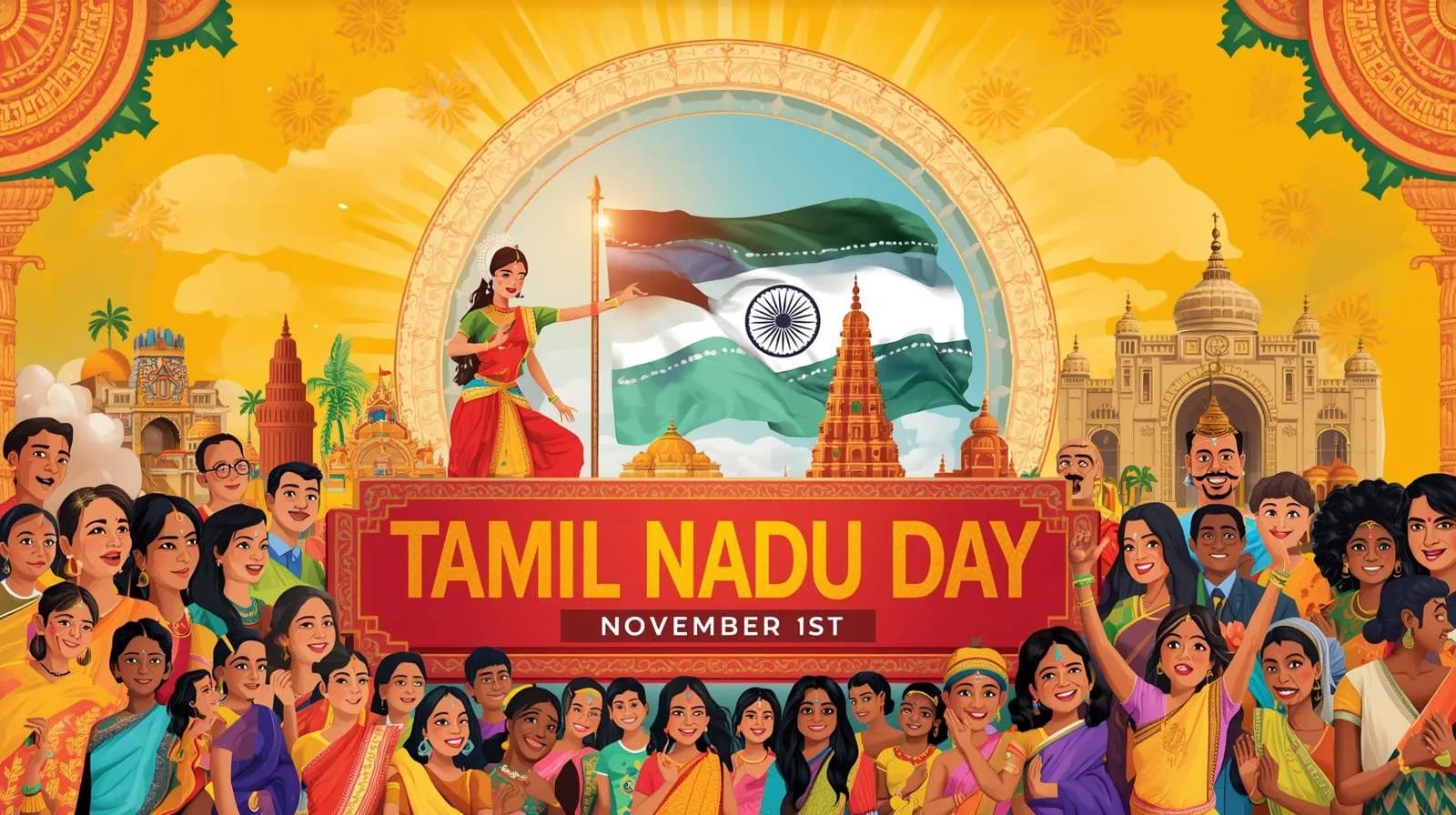
Tamil Nadu: Reclaiming Our Ancient Identity From Political Revisionism
November 4, 2025 - As Tamil Nadu observes yet another contested "Tamil Nadu Day," it's time to confront a fundamental question: Who decides our history? For decades, a carefully constructed political narrative has claimed that the name Tamil Nadu (தமிழ்நாடு) was formally bestowed upon this ancient land only in 1967, conveniently suggesting that our very identity is a modern political creation. This deliberate distortion erases over two millennia of documented history, literary evidence, and cultural continuity—all to serve narrow political interests.
As someone deeply invested in preserving Tamil linguistic and cultural heritage—evidenced by my work on the multilingual AlQuran platform that includes Tamil among 90+ languages—I believe we have a sacred duty to truth. Just as the Holy Quran emphasizes the importance of preserving one's language as a divine gift, and just as the Thirukkural teaches us to uphold truth regardless of consequences, we must challenge historical revisionism wherever we encounter it.
The Sacred Importance of Linguistic and Cultural History
Why History Matters for Every Language Community
Every linguistic community possesses a unique worldview, philosophical traditions, and accumulated wisdom encoded in their language. When history is distorted or erased, communities lose:
- Cultural Continuity: Connection to ancestral achievements and values
- Collective Identity: Shared understanding of who we are as a people
- Self-Respect: Pride in authentic heritage rather than manufactured narratives
- Political Agency: Ability to make informed decisions based on true historical context
- Linguistic Vitality: Motivation to preserve and develop the language for future generations
Tamil is not merely a language—it is a civilization. With a documented literary history spanning over 2,000 years, classical texts of extraordinary philosophical and artistic merit, and continuous use by millions across generations, Tamil represents one of humanity's great cultural achievements. To falsify Tamil history is to rob not just Tamilans but all of humanity of this heritage.
The Impact of Language and Culture on Identity
Language shapes thought itself. The Sapir-Whorf hypothesis in linguistics suggests that the structure and vocabulary of a language influence how its speakers perceive and conceptualize the world. Tamil's ancient grammar (articulated in Tolkappiyam around 3rd century BCE-CE), its sophisticated literary conventions, and its rich philosophical vocabulary have shaped Tamil consciousness for millennia.
When political forces manipulate historical narratives around language and territory, they:
- Undermine self-confidence by suggesting our identity is recent or artificial
- Create dependency on modern political parties as "creators" of identity rather than servants of an ancient people
- Enable cultural appropriation by obscuring who actually created and sustained Tamil civilization
- Facilitate ongoing oppression by denying the historical depth of Tamil resistance to domination
I. The Ultimate Sacrifice: K. C. Sangaralinga Nadar 🕯️
The modern demand for the name 'Tamil Nadu' came not from the ruling party, but from a dedicated activist who made the ultimate sacrifice.
- The First Demand: Following India's independence, K. C. Sangaralinga Nadar was the first person to forcefully demand that the Madras Presidency be renamed to 'Tamil Nadu' and that the state capital be moved from Madras (Chennai) to Tiruchirappalli.
- The Hunger Strike: In 1956, Nadar undertook a 76-day hunger strike (Uṇṇāviratam) to press for this demand. He died on the 76th day of his fast.
- Historical Significance: This sacrifice, years before the name change was enacted, underscores that the desire to reclaim the ancient name was a genuine people's movement and was driven by staunch Tamil identity, not just a later political decision.
Quranic Wisdom on Language as Divine Gift
The Holy Quran itself emphasizes the sacred importance of linguistic diversity and the preservation of one's mother tongue as part of divine wisdom.
Surah Ar-Rum (30:22) declares:
وَمِنْ آيَاتِهِ خَلْقُ السَّمَاوَاتِ وَالْأَرْضِ وَاخْتِلَافُ أَلْسِنَتِكُمْ وَأَلْوَانِكُمْ
"Among His signs is the creation of the heavens and earth, and the diversity of your languages and colors. Indeed, in that are signs for those of knowledge."
This profound verse elevates linguistic diversity to the status of cosmic signs—comparable to the creation of the heavens and earth themselves. Just as we marvel at the stars and planets, we should appreciate the miraculous diversity of human languages. Each language represents a unique way of understanding reality, a distinct repository of wisdom, and a divine gift to its speakers.
Application to Tamil: When the Quran tells us that linguistic diversity is a divine sign, it means Tamil—with its ancient grammar, vast literature, and philosophical depth—is not merely a human cultural artifact but a manifestation of divine creativity. To preserve Tamil, to honor its history, and to defend its integrity against political manipulation is therefore a sacred duty, not just cultural preservation.
The Story of Prophet Ibrahim and Emotional Connection to Language
The Quran narrates the story of Prophet Ibrahim (Abraham) with profound emotional resonance, demonstrating how language and cultural context shape our deepest feelings and spiritual experiences.
Surah Ibrahim (14:4) states:
وَمَا أَرْسَلْنَا مِن رَّسُولٍ إِلَّا بِلِسَانِ قَوْمِهِ لِيُبَيِّنَ لَهُمْ
"And We did not send any messenger except in the language of his people to state clearly for them."
This verse reveals a profound theological principle: Divine revelation comes in the language of the people receiving it. Why? Because language is not merely a communication tool but the medium through which we experience emotion, understand complex concepts, and connect with transcendent truths.
When Prophet Ibrahim prayed in his native language, when Prophet Musa (Moses) spoke to Pharaoh in Egyptian dialect, when Prophet Muhammad received revelation in Quraishi Arabic—these linguistic specificities were not incidental but essential. The emotional power of hearing divine guidance in your mother tongue cannot be replicated in translation.
Application to Tamil Nadu: Just as Allah sent messengers in the language of their people, the preservation and honoring of Tamil is not cultural chauvinism but recognition that Tamil people have the right to experience their cultural, spiritual, and political life in the language that speaks to their hearts. When political forces try to subordinate Tamil identity to vague "Dravidian" concepts or erase Tamil historical continuity, they are denying Tamilans this fundamental right to cultural authenticity.
This is precisely why I developed AlQuranJino—to ensure that people can read the Quran in their mother tongue, including Tamil. Religious and philosophical wisdom hits differently when encountered in the language of your ancestors, the language in which you first learned to think and feel.
Challenging the '1967' Narrative: The Ancient Truth of Tamil Nadu
For decades, Dravidian political parties have enforced a narrative claiming that Tamil Nadu received its name only in 1967 when the Madras State was officially renamed. This assertion serves multiple political purposes:
- Credits the Dravidian movement with "creating" Tamil Nadu identity
- Obscures pre-1967 Tamil nationalism that might challenge current political monopolies
- Suggests Tamil identity is recent and political rather than ancient and cultural
- Justifies July 18th as "Tamil Nadu Day" rather than more historically significant dates
However, overwhelming historical and literary evidence proves that the name Tamil Nadu has been in continuous use for over two millennia, predating not just the Dravidian political movement but most modern nations and political ideologies.
Evidence from Imperial Inscriptions and Royal Titles
The name Tamil Nadu wasn't just a poetic geographical term—it was officially adopted by ancient Tamil kings in their royal titles and inscriptions, demonstrating political as well as cultural significance.
Rajaraja Chola (985-1014 CE): The Emperor of Tamil Nadu
Perhaps the most powerful Chola emperor, Rajaraja I, inscribed his title across temples and copper plates throughout his vast empire. In these inscriptions, he proudly referred to himself as:
தண்டமிழ் நாடன் ராஜராஜ சோழன்
(Dhandamizha Naadan Rajaraja Cholan)
Translation: "Rajaraja Cholan, the ruler of the beautiful Tamil country"
This 11th-century inscription is crucial because it demonstrates:
- Political sovereignty associated with the term Tamil Nadu
- Royal legitimacy derived from ruling Tamil Nadu
- Continuous usage across nearly a millennium before British colonization
- Pride in Tamil identity at the height of imperial power
Rajaraja I was no minor chieftain—he commanded one of the most powerful empires in Asian history, conquering territories from Sri Lanka to the Maldives, from Kerala to Kalinga. If such a powerful emperor proudly identified as ruler of Tamil Nadu, who are modern politicians to claim they invented the name in 1967?
Kaadar Kon (13th Century): Protector of Tamil Nadu
A Pallava ruler bore a title that definitively confirms the name's continuous administrative use:
தமிழ்நாடு காத்த பெருமாள்
(Tamil Nadu Kaatha Perumal)
Translation: "The Lord who protected Tamil Nadu"
This title reveals that:
- Tamil Nadu was recognized as a distinct political territory requiring protection
- Defensive identity was tied to Tamil Nadu as a homeland
- Continuity of name from Chola through Pallava periods
Hathigumpha Inscription (2nd Century BCE): External Confirmation
This crucial inscription from Udayagiri caves in Odisha, commissioned by Karavela, King of Kalinga (modern Odisha), mentions his military campaigns against southern kingdoms. The inscription refers to defeating an alliance of Tamil kings known as the திரமிழ தேச சங்கதம் (Thrimila Desa Sangatham), which translates to "the confederacy of the three Tamil countries".
This external reference is historically invaluable because:
- Non-Tamil source confirms Tamil political identity existed in 2nd century BCE
- Collective designation "Tamil Desam" (Tamil country) was recognized internationally
- Political organization around Tamil identity predates most world civilizations
- Over 2,000 years of continuity from this inscription to present
Tamil Nadu in Foundational Tamil Literature
The most powerful evidence comes directly from Tamil's own classical texts—the Sangam literature (300 BCE - 300 CE) and classical epics. These works, predating the inscription evidence, demonstrate that Tamil Nadu was not just a name but a deeply embedded cultural and geographical reality.
Agananooru (அகநானூறு): The Three Tamil Kings
The Agananooru, one of the Eight Anthologies of Sangam literature, contains 400 love poems composed by various poets. Poem 31 contains the crucial term தமிழ் கெழு மூவர் (Tamil Kezhu Moover), meaning "the three Tamil-loving kings."
Verse Reference: பாடல் 31
Tamil Text: தமிழ் கெழு மூவர் காக்கும் மொழிபெயர் தேஎத்த
Translation: "The foreign land protected by the three Tamil-loving kings—Chera, Chola, and Pandya"
This verse is significant because:
- Tamil political identity is explicitly referenced 2,000+ years ago
- Three kingdoms (Chera, Chola, Pandya) are collectively identified as Tamil
- Foreign lands are distinguished from Tamil territories
- Protection of Tamil realm is the defining characteristic of legitimate kingship
The phrase "Tamil Kezhu" (Tamil-loving or Tamil-possessing) establishes that political legitimacy in this region was tied to Tamil identity—kings weren't just rulers of territory but defenders of Tamil culture and language.
Paripadal (பரிபாடல்): The Complete Expanse of Tamil Nadu
The Paripadal, another Sangam anthology of devotional poems, contains perhaps the clearest direct reference to Tamil Nadu as a complete geographical territory.
Verse Reference: பாடல் 8
Tamil Text: தண்டமிழ் வேலித் தமிழ்நாட் டகமெல்லாம்
Translation: "The entire expanse of Tamil Nadu, whose border is the beautiful Tamil country"
This reference is crucial because:
- Complete territory "entire expanse" indicates Tamil Nadu was understood as a defined region
- Borders "beautiful Tamil country" suggests boundaries demarcating Tamil Nadu from other regions
- Geographic standard the name was used to describe physical territory, not just cultural space
- Over 2,000 years old yet using the exact same name as today
Silappatikaram (சிலப்பதிகாரம்): South Tamil Nadu and Sea-Bordered Land
The Silappatikaram, one of the Five Great Epics of Tamil literature composed by Ilango Adigal (estimated 2nd-3rd century CE), contains multiple clear references to Tamil Nadu as a defined kingdom with specific borders.
Reference 1: The Southern Tamil Kingdom
Chapter Reference: 29. வாழ்த்துக்காதை (Vaazhthu Kaathai - Praising Chapter)
Tamil Text: தென் தமிழ் நாடு ஆளும் வேந்தர்
Translation: "The King who rules the South Tamil Nadu"
This reference:
- Distinguishes South Tamil Nadu from northern territories
- Political sovereignty "rules" indicates Tamil Nadu was a kingdom, not just a cultural region
- Directional specificity "South" suggests awareness of other Tamil regions or broader Tamil geography
Reference 2: Sea-Bordered Tamil Nadu
Chapter Reference: 25. கட்டுரைக் காதை (Katturai Kaathai - Prose Chapter)
Tamil Text: இமிழ் கடல் வேலியைத் தமிழ்நாடு ஆக்கிய இது நீ கருதினை ஆயின்
Translation: "That you made this sea-bordered land into Tamil Nadu, if you consider this"
This extraordinary reference:
- Maritime boundaries "sea-bordered" indicates Tamil Nadu's extent to coastlines
- Deliberate creation "made into Tamil Nadu" suggests Tamil Nadu was actively constituted as a political entity
- Witness invocation "if you consider this" implies the reality of Tamil Nadu was widely acknowledged
- Geographic definition sea as natural border defines Tamil Nadu's extent
Summary: Two Millennia of Evidence
Let's summarize the overwhelming evidence:
| Period | Source Type | Specific Reference | Significance |
|---|---|---|---|
| 2nd Century BCE | External Inscription | Hathigumpha - "Thrimila Desa Sangatham" | Non-Tamil confirmation of Tamil political confederacy |
| 300 BCE - 300 CE | Sangam Literature | Agananooru 31 - "Tamil Kezhu Moover" | Three Tamil kingdoms protecting Tamil realm |
| 300 BCE - 300 CE | Sangam Literature | Paripadal 8 - "Tamil Nadu entire expanse" | Complete geographic territory named Tamil Nadu |
| 2nd-3rd Century CE | Tamil Epic | Silappatikaram 29 - "South Tamil Nadu ruler" | Political sovereignty over South Tamil Nadu |
| 2nd-3rd Century CE | Tamil Epic | Silappatikaram 25 - "Sea-bordered Tamil Nadu" | Maritime boundaries defining Tamil Nadu |
| 11th Century CE | Royal Inscription | Rajaraja Chola - "Tamil Nadu ruler" | Imperial title incorporating Tamil Nadu |
| 13th Century CE | Royal Title | Kaadar Kon - "Protector of Tamil Nadu" | Defensive political identity tied to Tamil Nadu |
This is not circumstantial evidence—this is overwhelming, consistent, multi-source documentation spanning over 2,000 years that Tamil Nadu has been the recognized name for this territory.
The Flawed Logic and Political Manipulation
Given this overwhelming historical evidence, why do Dravidian political parties insist on the 1967 date and July 18th celebration?
The November 1st vs. July 18th Controversy
November 1, 1956: The States Reorganisation Act came into effect, creating Madras State (later Tamil Nadu) based primarily on linguistic boundaries. This was the day Tamil-speaking areas were consolidated into a single state, fulfilling the long-standing demand for a Tamil linguistic state.
July 18, 1967: The Madras State was officially renamed Tamil Nadu following a resolution passed by the state assembly.
The current political establishment, particularly the DMK, promotes July 18th as "Tamil Nadu Day," while de-emphasizing November 1st. Why?
Political Calculation:
- November 1st predates DMK rule (which began in 1967), so celebrating it would credit the linguistic reorganization movement that included Congress and other parties
- July 18th coincides with DMK's first tenure, allowing them to claim credit for "creating" Tamil Nadu
- Obscures Tamil nationalist history that existed before and independent of Dravidian political parties
The Dravidian Contradiction on Linguistic States
Historical records reveal a troubling contradiction in Dravidian movement positions:
Initial Opposition: The Dravidian movement, particularly Periyar's Self-Respect Movement and the early Dravidar Kazhagam, initially opposed the creation of linguistic states. Periyar argued that linguistic reorganization would strengthen "Brahmin-Aryan" dominance and that "Dravidian solidarity" across South Indian languages should take priority over Tamil linguistic identity.
Abandoned Tamil Nationalism: The slogan தமிழ்நாடு தமிழருக்கே (Tamil Nadu for Tamils)—clearly articulating Tamil political sovereignty—was prominent in early 20th-century Tamil nationalism. However, the Dravidian movement replaced it with the vaguer திராவிட நாடு திராவிடருக்கே (Dravida Nadu for Dravidians), which:
- Diluted Tamil identity into a broader, less defined "Dravidian" category
- Included non-Tamil areas (Kerala, Karnataka, Andhra Pradesh, etc.), making the demand less focused
- Eventually abandoned entirely as politically unrealistic, leaving Tamil Nadu with neither specific Tamil sovereignty nor broader Dravidian unity
Modern Appropriation: After initially opposing linguistic states and abandoning clear Tamil nationalist slogans, the DMK now claims credit for Tamil Nadu's creation and identity—despite overwhelming historical evidence that Tamil Nadu identity predates their political movement by two millennia.
Ignoring Tamil Sentiment and Historical Continuity
Tamil people themselves historically observed and favored dates associated with state formation and linguistic solidarity. The shift to July 18th:
- Rejects grassroots preferences for November 1st celebrations
- Imposes top-down political narrative over organic cultural memory
- Creates artificial history that serves party interests rather than truth
- Demonstrates that Dravidian parties prioritize political control over authentic Tamil identity
The Lament: Decline and Environmental Destruction
Beyond historical falsification, the current ruling establishment must be held accountable for the catastrophic decline in governance and environmental health that has transformed Tamil Nadu's once-great cities into polluted wastelands.
Madurai: From திருமா மதுரை to Most Polluted City
Madurai, celebrated in Sangam literature as திருமா மதுரை (Thiruma Madurai - The Great Holy Madurai), was praised for:
- Sacred temples and spiritual significance
- Clean streets and well-maintained public spaces
- Prosperous trade and cultural center
- Beautiful architecture and urban planning
Today, Madurai is ranked as the most polluted city in India according to recent air quality reports. This is not merely unfortunate—it is a profound betrayal of Tamil heritage.
Chennai: Capital of Decay
Chennai, the capital, struggles with:
- Third most polluted major city status
- Crumbling infrastructure despite being the state capital
- Traffic chaos revealing decades of poor urban planning
- Flooding due to destruction of traditional water management systems
Rivers Reduced to Sewers: The Cooum and Adyar Tragedy
The Cooum and Adyar rivers, which sustained Chennai for centuries, are now effectively sewage drains. Ancient Tamil wisdom in water management—reflected in intricate tank systems, river conservation, and watershed planning documented in inscriptions and literature—has been completely abandoned.
This environmental destruction is directly connected to historical falsification. When political movements deny the depth of Tamil historical achievement—in urban planning, water management, sustainable development—they remove the moral pressure to maintain those standards. If Tamil Nadu only truly "began" in 1967, why should we care about ancient environmental wisdom?
Thirukkural on Truth and Leadership
The Thirukkural, our 2,000-year-old ethical guide, offers wisdom directly applicable to this situation.
Kural 291: Speaking Truth Regardless of Consequences
தமிழ்: வாய்மை எனப்படுவது யாதெனின் யாதொன்றும் தீமை யிலாத சொலல்
Translation: "What is truth? Speaking words that cause no harm while remaining factually accurate."
Read Kural 291 at Thirukkural.net
Political leaders who falsify history violate this principle—they speak harmful lies rather than beneficial truth.
Kural 293: Truth as the Supreme Virtue
தமிழ்: பொய்ம்மையும் வாய்மை யிடத்த புரை தீர்ந்த நன்மை பயக்கும் எனின்
Translation: "Even falsehood may be considered truth if it produces pure and beneficial results; but such cases are rare."
Read Kural 293 at Thirukkural.net
Thiruvalluvar acknowledges that in rare cases, benevolent deception might be acceptable—but only if it produces "pure and beneficial results." Does the 1967 narrative produce beneficial results? No—it produces:
- Historical confusion among young people
- Political manipulation allowing parties to claim unearned credit
- Erosion of genuine Tamil pride based on authentic achievements
- Division between those who know true history and those who believe political myths
Therefore, the 1967 narrative fails even Thiruvalluvar's nuanced test for acceptable falsehood.
Quranic Wisdom on Truth and Historical Memory
The Holy Quran contains numerous verses emphasizing truth, rejecting historical distortion, and warning against those who manipulate narratives for power.
Surah Al-Baqarah (2:42): Do Not Conceal Truth
وَلَا تَلْبِسُوا الْحَقَّ بِالْبَاطِلِ وَتَكْتُمُوا الْحَقَّ وَأَنتُمْ تَعْلَمُونَ
"And do not mix truth with falsehood or conceal the truth while you know it."
This verse directly addresses those who know the truth but conceal it. Dravidian political leaders surely know that Tamil Nadu predates 1967—but they conceal this truth to maintain political narratives that benefit them.
Surah Al-Imran (3:71): Why Do You Mix Truth with Falsehood?
يَا أَهْلَ الْكِتَابِ لِمَ تَلْبِسُونَ الْحَقَّ بِالْبَاطِلِ وَتَكْتُمُونَ الْحَقَّ وَأَنتُمْ تَعْلَمُونَ
"O People of the Scripture, why do you mix truth with falsehood and conceal the truth while you know?"
This rhetorical question challenges those who possess knowledge but manipulate it. Similarly, we must ask Tamil Nadu's political establishment: Why do you mix the truth of ancient Tamil Nadu with the falsehood of 1967 invention?
Surah Al-Anam (6:93): The Worst Wrongdoing is Fabricating Lies About Truth
وَمَنْ أَظْلَمُ مِمَّنِ افْتَرَىٰ عَلَى اللَّهِ كَذِبًا
"And who is more unjust than one who invents a lie or says, 'It has been inspired to me,' while nothing has been inspired to him?"
The Quran identifies fabricating historical or theological narratives as among the worst forms of wrongdoing. Claiming credit for creating Tamil Nadu when history proves otherwise is precisely this kind of fabrication.
AlQuranJino: Preserving Linguistic Heritage Through Technology
My work on AlQuranJino—the multilingual Quran platform—is directly connected to this struggle for historical and linguistic truth. Just as I fight to preserve the historical truth that Tamil Nadu is ancient, not modern, I work to ensure Tamil speakers can access the Quran in their mother tongue.
Why This Matters
Language preservation is resistance against historical erasure. Every time someone reads the Quran in Tamil through AlQuranJino, they:
- Affirm Tamil's vitality as a language capable of conveying the most profound spiritual truths
- Exercise linguistic sovereignty by choosing their ancestral language over imposed alternatives
- Connect with tradition while using modern technology
- Resist cultural homogenization that seeks to subordinate all identities to dominant narratives
Download AlQuranJino
Access the Holy Quran in Tamil, Hindi, Telugu, Malayalam, and 86+ other languages:
- Android: Download on Google Play
- iOS/macOS: Download on App Store
- Desktop: Download Desktop Version
By supporting linguistic diversity in religious texts, we support linguistic diversity everywhere—including the right of Tamil people to honest history about Tamil Nadu.
The Path Forward: தமிழ்நாடு தமிழருக்கே
The way forward requires:
1. Truth in Education
Demand that Tamil Nadu school textbooks accurately present:
- Sangam literature references to Tamil Nadu
- Royal inscriptions using Tamil Nadu
- The 2,000+ year continuity of the name
- Honest assessment of the Dravidian movement's ambivalent relationship with Tamil nationalism
2. Reclaiming November 1st
Celebrate November 1st as the true formation day of modern Tamil Nadu state based on linguistic reorganization—the fulfillment of centuries of Tamil aspiration for political autonomy.
3. Environmental Restoration as Historical Duty
Recognize that environmental destruction dishonors our ancestors. Restore Madurai, clean Chennai's rivers, and revive traditional Tamil water management wisdom as documented in ancient texts.
4. Support Independent Tamil Voices
Support political movements and leaders who prioritize Tamil interests over party dynasties—including Naam Tamilar Katchi and others who raise uncomfortable questions about historical falsification.
5. Digital Preservation
Use technology to preserve and disseminate Tamil texts, inscriptions, and historical evidence. Projects like Project Madurai (digitizing Tamil classics) and multilingual platforms like AlQuranJino serve this larger purpose.
Conclusion: The Uncompromising Demand
The name Tamil Nadu is not a 1967 political invention—it is a two-thousand-year-old historical truth embedded in Sangam literature, classical epics, royal inscriptions, and continuous cultural memory. This land belongs to the Tamil people, whose linguistic and cultural achievements predate most modern nations.
The Thirukkural teaches us to uphold truth regardless of political pressure. The Holy Quran commands us not to conceal truth when we know it. Both sacred texts emphasize that language is a divine gift deserving protection and honor.
Therefore, we must reclaim our authentic history and declare the uncompromising demand: தமிழ்நாடு தமிழருக்கே! (Tamil Nadu for Tamils)
This is not chauvinism—it is the recognition that Tamil people have the right to honest history, environmental stewardship worthy of our ancestors, and political sovereignty over the land our civilization has called home for over two millennia.
The truth cannot be suppressed forever. Tamil Nadu was Tamil Nadu long before any political party existed, and it will remain Tamil Nadu long after current political dynasties fade into history.
Key References:
- Agananooru, Paripadal, and Silappatikaram classical Tamil texts
- Rajaraja Chola and other royal inscriptions
- Hathigumpha inscription (2nd century BCE)
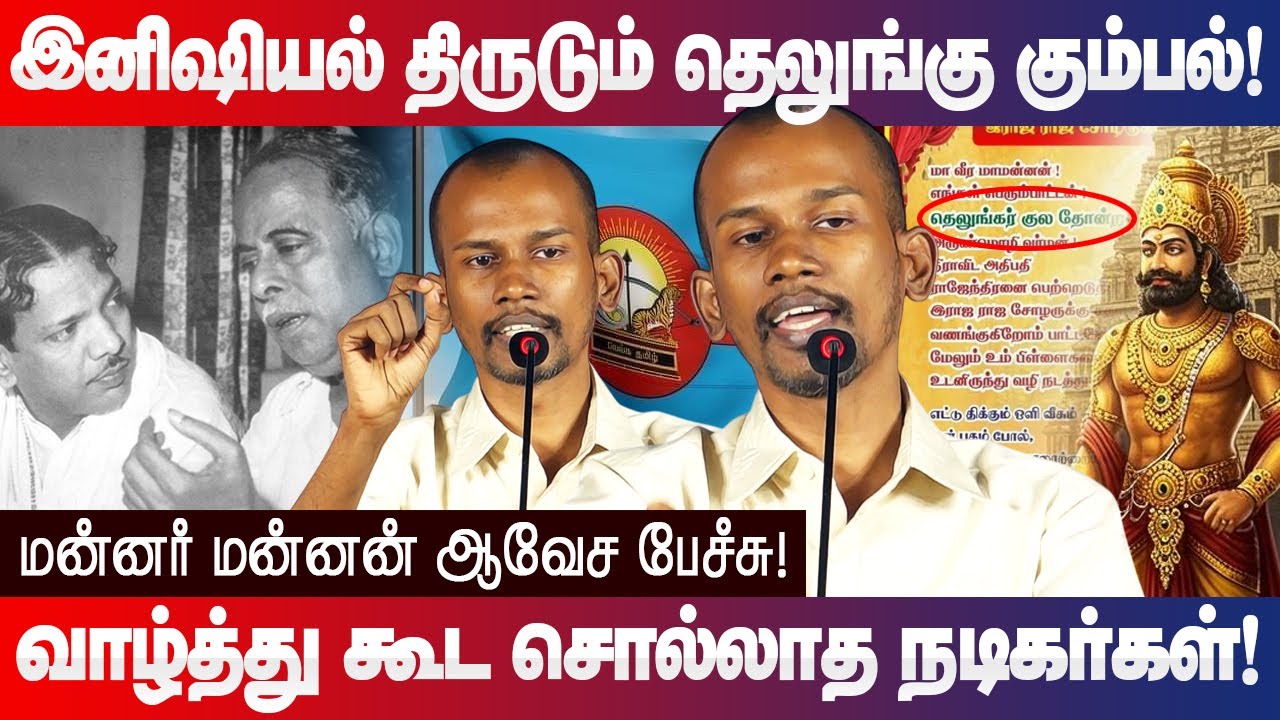
- Mannar Mannan's speech on Tamil Nadu Day
- Thirukkural verses on truth and righteousness
- Quranic verses on truth, language, and historical integrity
**#TamilNadu #TamilHistory #DrvidianLies #AncientTamil #TamilPride #Thirukkural #QuranWisdom #LinguisticHeritage #EnvironmentalJustice #TruthMatters #தமிழ்நாடுதமிழருக்கே #AlranJino

Jinosh Nadar
Founder of Al Quran Multilingual. Dedicated to making Islamic wisdom accessible.