World Soil Day: Thirukkural Farming Wisdom and Quranic Teachings on Protecting Our Earth
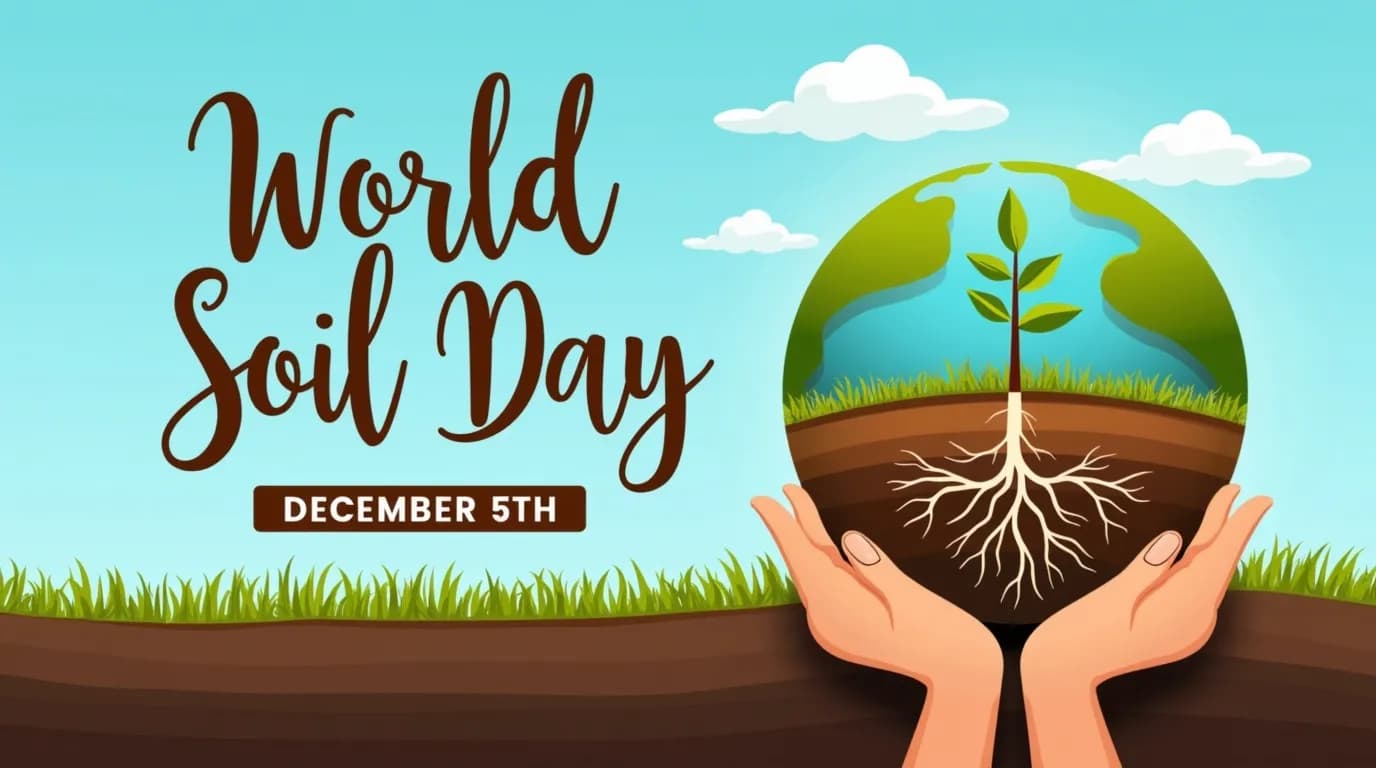
World Soil Day (WSD) – December 5
Thirukkural, Farming, and Quranic Wisdom on Protecting the Earth
December 5 is observed globally as World Soil Day (WSD) to highlight how vital healthy soil is for food, water, climate, and human well-being. The initiative was first proposed by the International Union of Soil Sciences (IUSS) in 2002 and later endorsed by the Food and Agriculture Organization (FAO) and the UN General Assembly, which formally designated December 5 as World Soil Day in 2014. The date honors the birthday of King Bhumibol Adulyadej of Thailand, a global pioneer in soil conservation and sustainable agriculture.
Soil is often seen as "dirt" under our feet, but in reality it is a living system. Over 95% of human food depends directly or indirectly on soil. It filters water, stores carbon, supports biodiversity, and anchors our crops. Yet modern lifestyles and unsustainable practices are rapidly degrading this foundation.
This blog connects:
- The global purpose of World Soil Day
- Thirukkural's insights on soil, character, and farming
- A simple overview of soil pollution, causes, and prevention
- Quranic teachings about soil as origin, sustenance, and sacred trust
1. Why World Soil Day Matters
1.1 Goals of World Soil Day
World Soil Day focuses on:
- Awareness: Helping people understand that without healthy soil, there is no long-term food security.
- Education: Teaching farmers, students, and citizens about soil-friendly practices like crop rotation, organic matter addition, and reduced chemical use.
- Policy change: Encouraging governments and institutions to adopt regulations and incentives that protect soil from erosion, contamination, and overuse.
- Action: From tree-planting campaigns to farmer training and school workshops, the day is about converting awareness into tangible steps.
1.2 Soil as a Living System
Healthy soil is not just sand and rock dust; it is a complex ecosystem made up of:
- Minerals (sand, silt, clay)
- Organic matter (decomposed plants and animals)
- Organisms (worms, insects, fungi, bacteria)
- Air and water in soil pores
These elements interact to:
- Provide nutrients to crops
- Retain and filter water
- Support roots and plant stability
- Cycle carbon and nitrogen, regulating climate
When soil structure is destroyed, or when it is poisoned by excessive chemicals and waste, it loses its ability to perform these functions. World Soil Day reminds us that soil is a non-renewable resource on human timescales—once deeply degraded, it can take hundreds of years to rebuild.
2. Thirukkural on Soil and Character
Thiruvalluvar, in the Thirukkural, uses soil as a metaphor to describe how environment shapes nature and knowledge.
2.1 Kural 452 – Soil and Human Nature
நிலத்தியல்பால் நீர்திரிந் தற்றாகும் மாந்தர்க்கு
இனத்தியல்ப தாகும் அறிவு.
Tamil Transliteration
Nilaththiyalpaal Neerdhirin Thatraakum Maandharkku
Inaththiyalpa Thaakum Arivu.
Meaning:
Just as water takes on the qualities of the soil through which it flows, the wisdom of a person reflects the nature and culture of the group or community they belong to.
Relevance to Soil Day:
- Soil changes the character of water.
- In the same way, the environment we create—polluted or pure—shapes minds, values, and behavior.
- When we degrade soil and land, we are also degrading the moral and cultural environment in which future generations grow.
2.2 Kural 959 – Land, Footsteps, and Speech
நிலத்தில் கிடந்தமை கால்காட்டும் காட்டும்
குலத்தில் பிறந்தார்வாய்ச் சொல்.
Meaning (condensed from traditional commentaries):
Just as the footprint reveals where a person has walked, a person's speech reveals the nature of the family or community they come from—just like a sprout shows which soil it grew in.
Connection to Soil:
- The sprout reveals the nature of the underlying soil.
- Similarly, our actions and words reveal the "soil" of upbringing, culture, and values.
- On World Soil Day, this reminds us that protecting physical soil and cultivating moral "soil" go together.
3. Thirukkural on Farming: The Central Role of Agriculture
Thiruvalluvar dedicates an entire chapter (Adhikaram 103: Uzhavu – Farming) to agriculture, presenting farmers as the backbone of the world.
3.1 Farmers as the Foundation
Kural 1031
சுழன்றும்ஏர்ப் பின்னது உலகம் அதனால்
உழந்தும் உழவே தலை.
Suzhandrumerp Pinnadhu Ulakam Adhanaal
Uzhandhum Uzhave Thalai.
Meaning:
Wherever the plough turns, the world follows. Despite its hardships, farming stands above all other occupations.
Key idea:
- Farming is primary; other occupations depend on it.
- Without good soil, there is no farming, and without farming, there is no stable civilization.
Kural 1032
உழுவார் உலகத்தார்க்கு ஆணிஅஃ தாற்றாது
எழுவாரை எல்லாம் பொறுத்து.
Uzhuvaar Ulakaththaarkku Aani…
Meaning:
Farmers are the linchpin of the world, supporting all others who cannot till the land.
Soil connection:
- Healthy soil sustains farmers, who in turn sustain everyone else.
- Destroying soil = weakening the "axle-pin" of society.
3.2 Dignity of Self-Sufficiency
Kural 1033
உழுதுண்டு வாழ்வாரே வாழ்வார்மற் றெல்லாம்
தொழுதுண்டு பின்செல் பவர்.
Meaning:
Only those who eat from what they cultivate truly live; the rest must follow behind those they depend on.
Kural 1035
இரவார் இரப்பார்க்கொன்று ஈவர் கரவாது
கைசெய்தூண் மாலை யவர்.
Meaning:
Those who eat from their own labor neither beg nor refuse a beggar.
Relevance:
- Soil-based livelihoods build dignity and generosity.
- When we protect soil, we are protecting the independence and honor of farming communities.
3.3 How to Treat Soil: Thirukkural's Farming "Best Practices"
Kural 1037
தொடிப்புழுதி கஃசா உணக்கின் பிடித்தெருவும்
வேண்டாது சாலப் படும்.
Meaning:
If soil is properly ploughed and dried to the right degree, it yields abundantly even without much manure.
Kural 1038
ஏரினும் நன்றால் எருவிடுதல் கட்டபின்
நீரினும் நன்றதன் காப்பு.
Meaning:
Manuring is more important than mere ploughing, and after weeding, protection is even more important than watering.
Modern reading:
- Soil needs structure, organic matter, and protection.
- Overworking soil without rest or organic inputs leads to long-term decline.
- Thiruvalluvar, centuries ago, hints at what we now call soil management and conservation agriculture.
3.4 Soil Responds to Care or Neglect
Kural 1039
செல்லான் கிழவன் இருப்பின் நிலம்புலந்து
இல்லாளின் ஊடி விடும்.
Meaning:
When the landlord fails to visit his fields, the land turns hostile like a neglected wife.
Kural 1040
இலமென்று அசைஇ இருப்பாரைக் காணின்
நிலமென்னும் நல்லாள் நகும்.
Meaning:
Mother Earth smiles in scorn at those who sit idle, blaming poverty, while neglecting to work the land.
Message:
- Soil is not inert; it "responds" to our effort or laziness.
- On World Soil Day, this is a direct call: don't neglect your land, your environment, or your responsibilities.
4. Soil Pollution: When Earth Becomes a Dumping Ground
4.1 What Is Soil Pollution?
Soil pollution occurs when harmful substances—chemicals, waste, or biological contaminants—accumulate in soil to levels that damage:
- Plant growth
- Soil organisms
- Human and animal health
Polluted soil loses its natural functions and becomes a source of disease and toxins, rather than a foundation of life.
4.2 Major Causes of Soil Pollution
-
Excessive Chemical Fertilizers and Pesticides
- Overuse of synthetic fertilizers increases soil salinity and acidity.
- Persistent pesticides (like some organochlorines) accumulate in the soil food web.
-
Industrial Waste and Heavy Metals
- Factories release lead, cadmium, mercury, chromium and other toxic metals.
- These bind to soil particles and enter the food chain.
-
Plastic and Non-Biodegradable Waste
- Microplastics and plastic fragments change soil structure.
- They hinder water infiltration and root growth.
-
Sewage Sludge and Untreated Wastewater
- Can introduce pathogens and heavy metals into soils used for farming.
-
Oil Spills and Hydrocarbon Contamination
- Leakages from storage tanks, pipelines, or workshops.
- Reduce oxygen in soil and kill microorganisms.
-
Mining and Quarrying
- Strip topsoil, leaving behind toxic tailings.
- Accelerate erosion and landslides.
-
Overgrazing and Deforestation
- Remove protective vegetation cover.
- Lead to erosion, nutrient loss, and eventual desertification.
4.3 Health and Environmental Impacts
- Human health: Contaminated crops and groundwater can cause cancers, organ damage, developmental problems.
- Biodiversity loss: Soil organisms die or decline, breaking nutrient cycles.
- Climate impact: Degraded soils store less carbon, releasing more CO₂ to the atmosphere.
- Farm productivity: Yields fall, requiring more inputs for less output.
5. Preventing Soil Pollution: Ethical and Practical Steps
Soil protection is both a technical duty and a moral responsibility.
5.1 At Policy and Industry Level
- Stricter waste regulations for industries; mandatory treatment of effluents.
- Monitoring and remediation of polluted sites using methods like phytoremediation (using plants to absorb toxins).
- Limits on harmful pesticides and promotion of safer alternatives.
- Encouraging organic and regenerative agriculture through subsidies and support.
5.2 At Farmer and Community Level
-
Balanced Fertilizer Use
- Soil testing before applying nutrients.
- Use of compost, green manure, and animal manure to build organic matter.
-
Pesticide Reduction
- Integrated Pest Management (IPM) using natural predators, resistant varieties, and crop rotation.
-
Erosion Control
- Planting cover crops.
- Building contour bunds and check dams.
- Maintaining tree shelterbelts.
-
Waste Management
- Proper segregation and recycling.
- Avoid dumping plastics, batteries, or chemical waste on farmland.
-
Community Education
- Teaching children and youth about soil health.
- Observing World Soil Day with local campaigns, field visits, and workshops.
5.3 At Individual and Urban Level
- Reduce single-use plastics.
- Compost kitchen waste instead of sending it to landfills.
- Support farmers who follow sustainable practices.
- Avoid pouring oils, chemicals, or medications into drains or soil.
6. Quran on Soil: Origin, Sustenance, and Sacredness
The Quran uses soil and earth imagery frequently, reminding believers of their origin, their dependence on Allah's provisions, and their duty to protect creation.
6.1 Creation from Clay and Return to Soil
Multiple verses describe humans as being created from clay, dust, or soil:
-
Surah Al-Mu'minun (23:12):
"We created man from an extract of clay."
Read at: https://alquranjino.online/book/ara_quransimple/23/12 -
Surah As-Sajdah (32:7–8):
Describes the stages of human creation beginning from clay and evolving into a living human.
Read at: https://alquranjino.online/book/ara_quransimple/32/7 -
Surah Ta-Ha (20:55):
"From it (the earth) We created you, into it We will return you, and from it We will bring you out once again."
Read at: https://alquranjino.online/book/ara_quransimple/20/55
Key idea:
- Our origin, burial, and resurrection are all tied to soil.
- This should cultivate humility and respect towards the earth.
6.2 Soil as a Sign of Life and Sustenance
The Quran often points to reviving dead land with rain as a sign of Allah's power:
-
Surah Ar-Rum (30:19):
"He brings the living out of the dead… and He revives the earth after its death."
Read at: https://alquranjino.online/book/ara_quransimple/30/19 -
Surah Al-Hajj (22:5):
Describes how barren earth stirs and swells when rain falls, bringing forth every kind of beautiful growth.
Read at: https://alquranjino.online/book/ara_quransimple/22/5 -
Surah An-Nahl (16:65):
"Allah sends down rain from the sky and gives life thereby to the earth after its lifelessness. Indeed, in that is a sign for people who listen."
Read at: https://alquranjino.online/book/ara_quransimple/16/65
Meaning for World Soil Day:
- Soil is not merely a physical layer; it is a canvas for divine signs.
- Watching dry land become green should remind us of Allah's mercy and our duty to be grateful.
6.3 The Earth as a Place of Worship
The Prophet Muhammad ﷺ said:
"The entire earth has been made a masjid (place of prostration) and a means of purification for me."
This includes:
- Praying directly on clean soil
- Using tayammum (dry ablution) with clean earth when water is unavailable
In some traditions, particularly among Shia Muslims:
- A small piece of natural earth (turbah) is used for prostration, symbolizing humility and connection to land.
Implication:
- Soil is not just an agricultural input; it is part of our spiritual practice.
- Polluting soil is therefore also a spiritual offense, not only an ecological one.
6.4 Conservation and Responsibility
While the Quran does not use modern environmental terms, its principles are clear:
- Humans are khalifah (stewards) on earth.
- Allah forbids fasad (corruption) on land and sea, which includes destruction of fertile lands.
- Wastage (israf) is condemned; moderation (wasatiyyah) is praised.
Thus, protecting soil fits directly into:
- Avoiding corruption on earth
- Fulfilling our trust (amanah)
- Ensuring future generations have the same blessings
7. Download Al-Quran Multilingual App: Learn More About Earth and Creation
To explore more Quranic verses on creation, the earth, sustenance, and our responsibility as stewards, download the Al-Quran Multilingual App:
📱 Android: https://play.google.com/store/apps/details?id=jino.quran.app
🍎 iOS/macOS: https://apps.apple.com/in/app/al-quran-multilingual/id6738510896
💻 Desktop: https://github.com/jinosh05/Al-Quran-Multilingual-Desktop/releases
Features:
- 90+ translations including Tamil, English, Urdu, Hindi, Malayalam, and more
- Search verses on nature, creation, earth, agriculture, and stewardship
- Offline access to the entire Quran
- Side-by-side comparison of translations
- Beautiful interface for comfortable reading and study
Website: https://alquranjino.online
Explore verses on:
- Human creation from soil (Surah Al-Mu'minun, As-Sajdah, Ta-Ha)
- Earth's revival through rain (Surah Ar-Rum, Al-Hajj, An-Nahl)
- Our role as stewards (Surah Al-Baqarah 2:30, Al-An'am 6:165)
8. FAQs
Q1: Why is soil called a "non-renewable" resource?
Because:
- Natural soil formation is extremely slow—it can take hundreds of years to form a few centimeters of fertile topsoil.
- Human activities can destroy that in a single season through erosion or pollution.
- Practically, on human timescales, once deeply degraded, soil is very hard to restore.
Q2: What is the biggest threat to soil today?
Major global threats include:
- Erosion from deforestation and overgrazing
- Chemical pollution from fertilizers and pesticides
- Salinization from improper irrigation
- Sealing of land by concrete and asphalt in urban areas
In many regions, a combination of these is occurring at once.
Q3: How does soil health relate to climate change?
- Healthy soils store large amounts of carbon in organic matter.
- Degraded soils release carbon dioxide back into the atmosphere.
- Practices like no-till farming, cover cropping, and composting increase soil carbon and help mitigate climate change.
Q4: What can a normal person do on World Soil Day?
- Learn about where your food comes from.
- Reduce food waste so that less land is pressured for production.
- Support local farmers using sustainable methods.
- Plant trees or maintain a home garden with composted soil.
- Avoid littering and dumping waste on open land.
Q5: How do Thirukkural and the Quran support World Soil Day's message?
- Thirukkural emphasizes:
- Respect for farmers
- Right treatment of land
- Moral responsibility to work and not neglect the earth
- The Quran emphasizes:
- Human creation from soil
- Soil as a sign of divine power
- Earth as a place of worship
- Responsibility to avoid corruption and to protect blessings
Together, they show that care for soil is not a new "environmental trend," but an ancient moral and spiritual duty.
World Soil Day is a call to look down—not in shame, but in gratitude. Beneath our feet is a silent, patient world that feeds us, cleans our water, regulates our climate, and holds our dead. Whether through the refined wisdom of Thiruvalluvar or the divine guidance of the Quran, the message is the same:
Honor the soil, protect it, and it will continue to sustain life for generations to come.
Happy World Soil Day 2025!

Jinosh Nadar
Founder of Al Quran Multilingual. Dedicated to making Islamic wisdom accessible.